The conflict in Iran has played out in frustrating fits and starts, but from a market perspective, the crisis appears largely over. Major stock indexes are once again pressing all-time highs.
Through the end of trading today, the S&P 500 has advanced 12.6% from its lowest level on March 30. The index is now up 4.7% on a year to date basis.
Iran is starting to recede into the rearview mirror, based on confidence that energy flows will resume one way or another. As investors spend less time worrying about Iran and oil, focus is returning to the core macro drivers of the market.
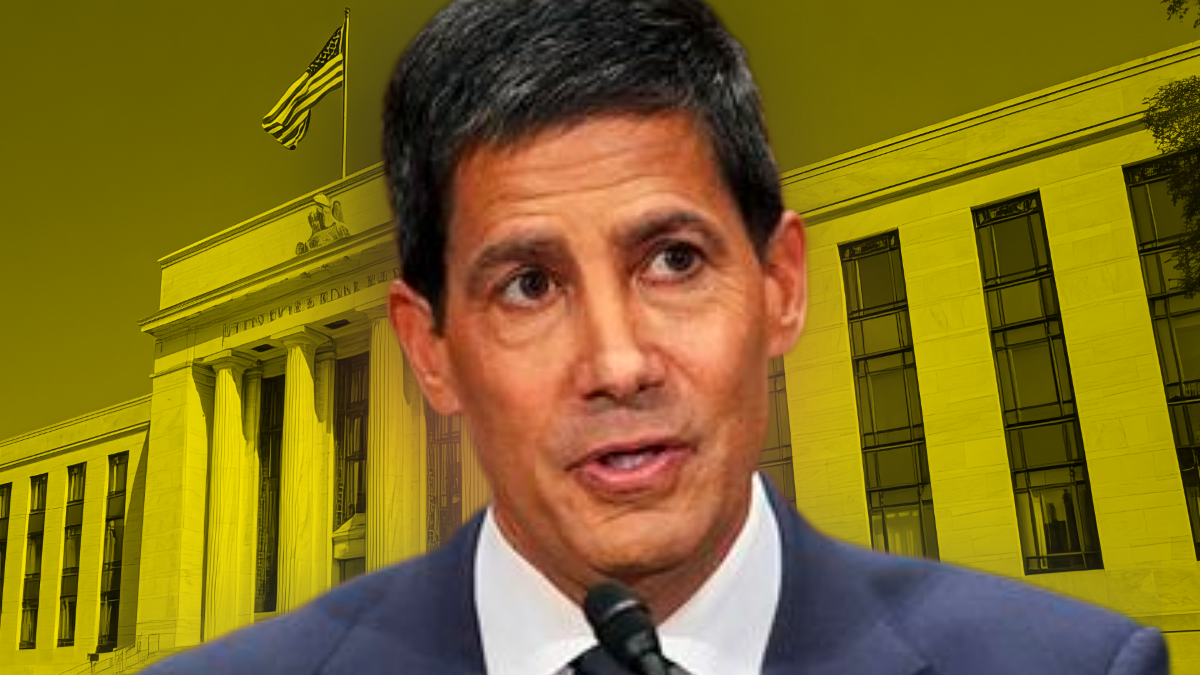
Against this backdrop, we see the eventual confirmation of Kevin Warsh as a positive catalyst, as the market recognizes the new Fed Chair’s growth orientation and credibility on inflation.
The sharp disagreements between Trump and current Fed Chair Jerome Powell were at moments destabilizing. Market sentiment therefore also stands to benefit from a much less contentious and likely more constructive relationship between the White House and the Fed.
Rising productivity
Trump has made it abundantly clear on many occasions that he believes that interest rates are currently too high. It stands to reason that he would not nominate a new Chair who held views that directly contradicted his own.
In Warsh, he found a future leader of the Fed who clearly understands the importance of central bank independence and credibility—yet also shares Trump’s growth-oriented economic vision.
At the heart of this vision is the idea that technological progress raises the ceiling for American economic expansion. In the hearing, Warsh described AI as a force that is ushering in “the most disruptive moment in modern economic history in the U. S. and the world.”
Warsh believes the U.S. economy’s potential growth rate is increasing. Technological change can offset inflationary pressures over time by improving productivity.
Not everyone is onboard with this positive vision of an AI-driven economy. Democrats in Congress like Bernie Sanders and Alexandria Ocasio-Cortez have expressed outright hostility to AI, calling for bans on new data centers.
Anti-AI sentiment has some traction on the right as well.
During the hearing, Senator John Kennedy warned the audience that “a lot of the stuff about artificial intelligence making us more productive is a bunch of hype by people who want to sell stock in an IPO.”
Despite the skeptics, Trump’s economic policy remains very much oriented around establishing technological leadership in AI and providing the underlying infrastructure necessary to deliver it.
Just this week, Trump announced steps to advance his January 2025 Executive Order declaring a national emergency to improve electric grid infrastructure and “associated upstream supply chains.”
Trump recognizes the urgent need for the economy to generate more electrical power as current capacity limitations represent a bottleneck on AI data center growth.
In Warsh, Trump has a Fed Chair who shares his view of AI as a positive structural force and catalyst for productivity growth. While recognizing uncertainties around timing and magnitude, Warsh seems inclined to give the economy the liquidity it needs to invest in AI-driven growth.
A focus on crypto, too
Some are calling Warsh the first pro-crypto Fed Chair.
Through the confirmation process, it was revealed that Warsh has substantial crypto-related investments, many of which are held through a venture capital fund in which he has been an investor.
Senator Cynthia Loomis is among the most vocal proponents of Bitcoin and crypto in Congress. She asked Warsh if “digital assets should be incorporated into our financial industry so Americans have new investment opportunities and consumer protection.”
Warsh replied affirmatively that “digital assets are already part of the fabric of our financial services industry in the United States.”
Whereas Powell has been more neutral on the subject of crypto, Warsh appears to bring a recognition that the future of our financial system increasingly involves the adoption of blockchain technology.
His own personal investments, along with prior public statements, speak to both his familiarity and confidence in digital assets. He has also had private sector engagements with crypto investment firms like Bitwise, a prominent crypto asset manager, and Electric Capital, a fintech venture capital firm.
It is not the Fed’s job to promote crypto adoption, but we expect a more crypto-friendly orientation under Warsh’s leadership, especially as mainstream financial institutions increasingly deploy blockchain-based systems.
A new inflation framework
Warsh will also bring a different viewpoint on inflation versus his predecessor. He sees inflation less as a trade-off with growth and more as a function of the overall money supply.
During the hearing, he was harshly critical of the Fed’s role in the inflation crisis experienced under Biden.