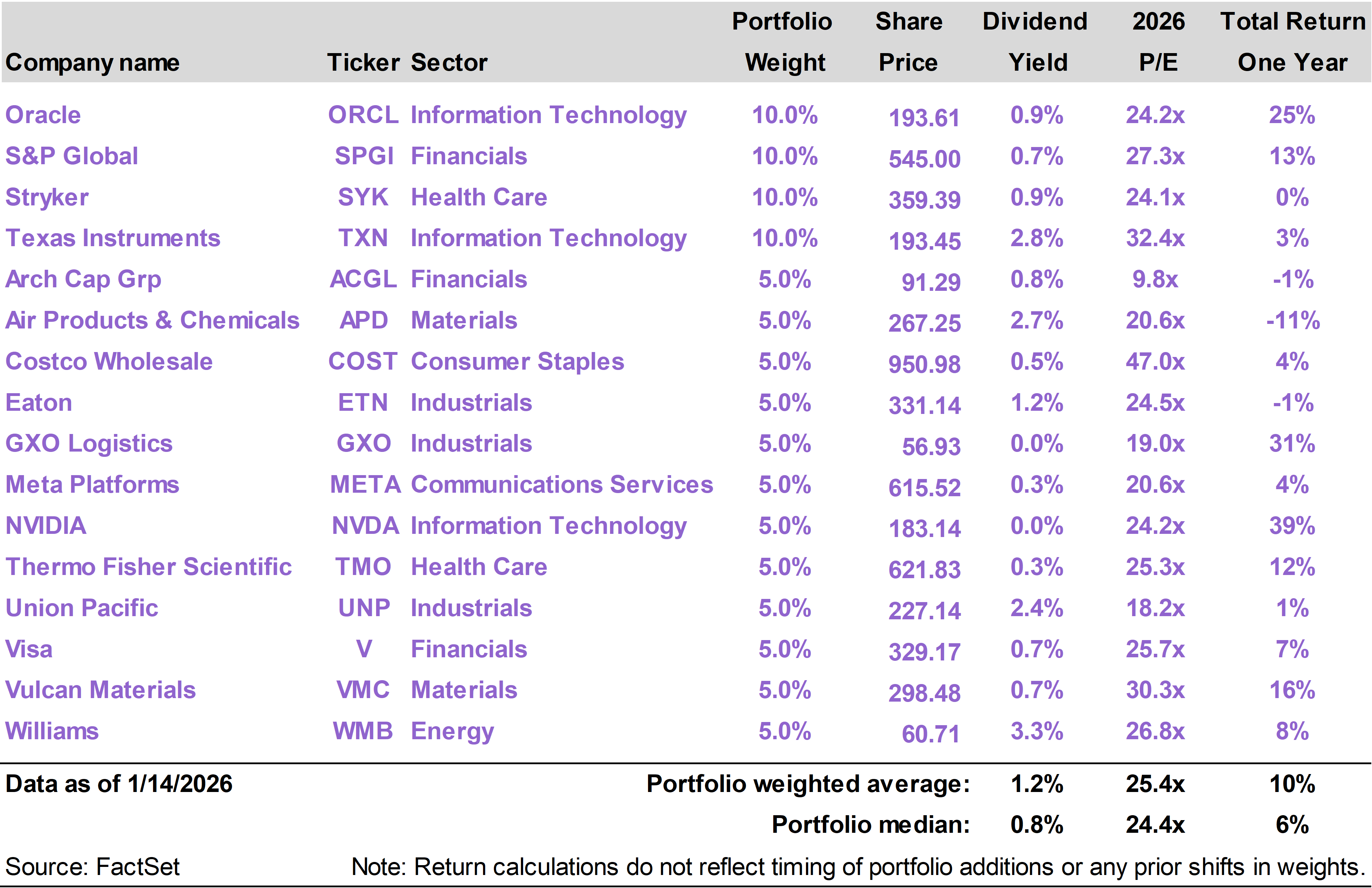
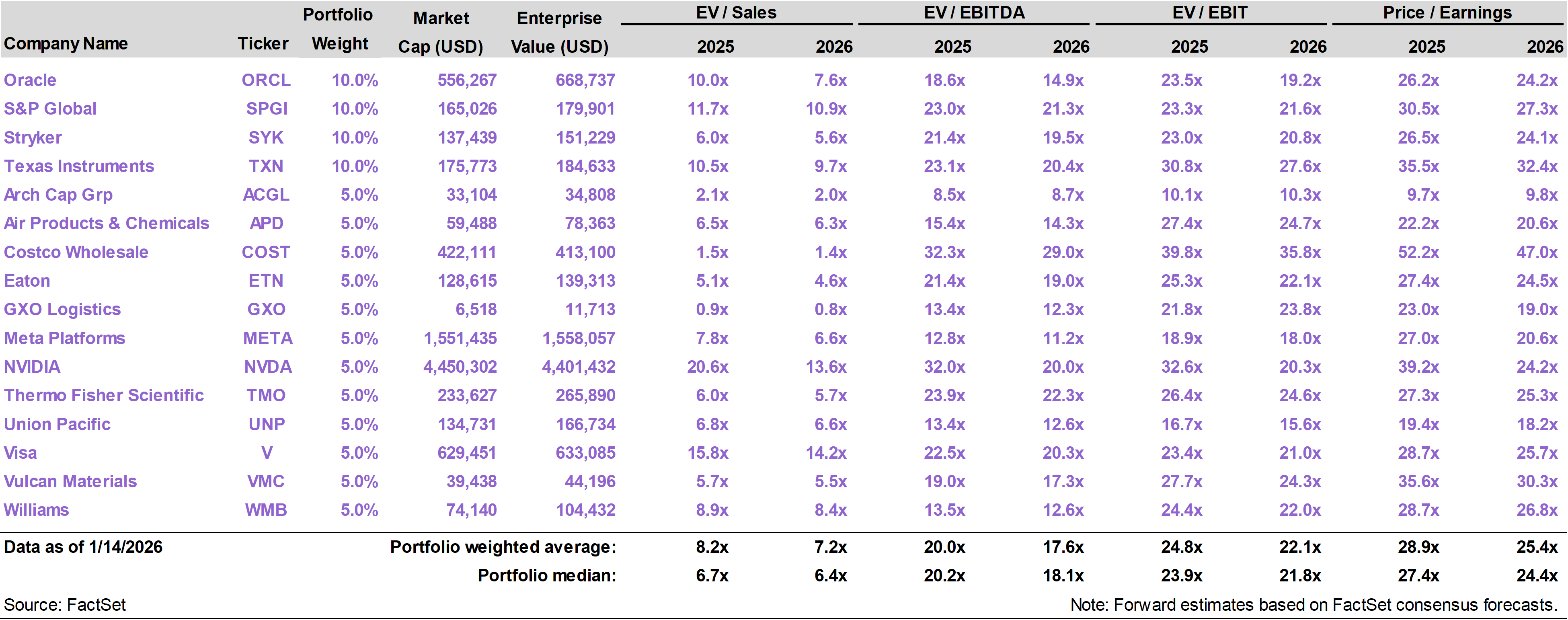
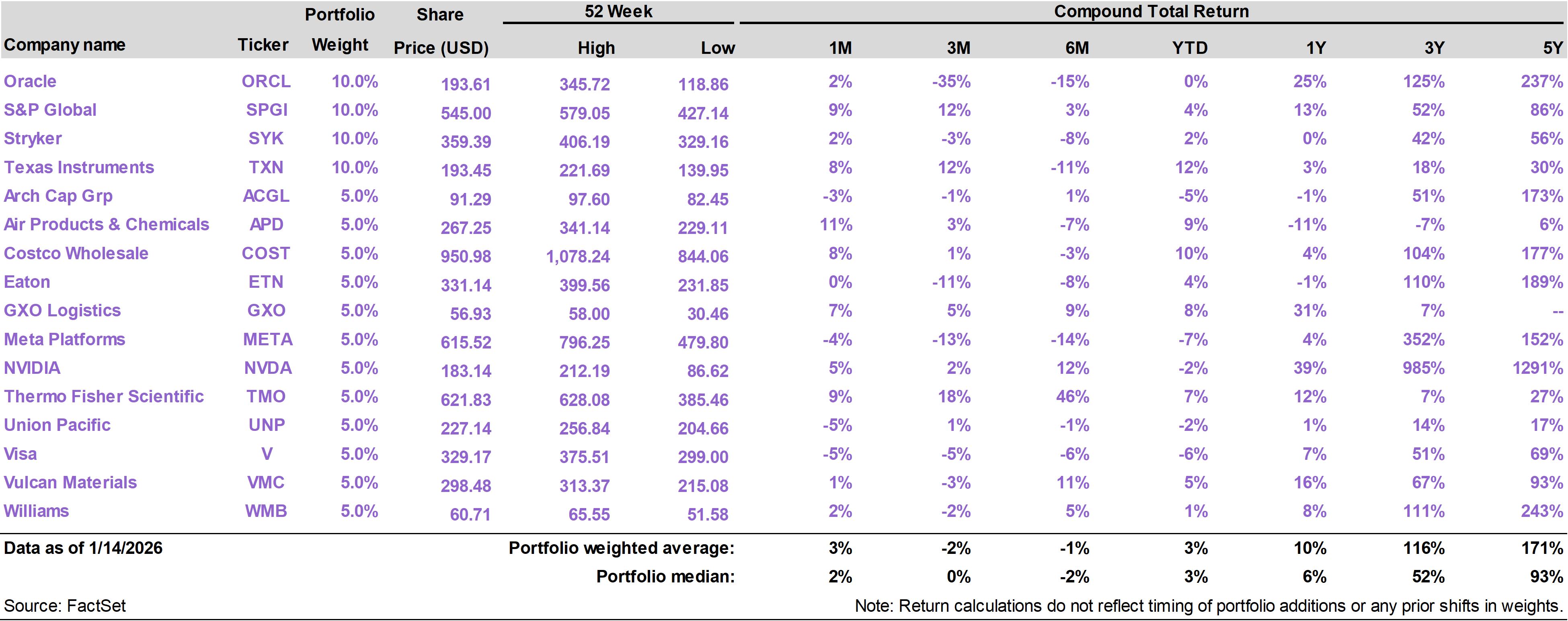
The American Resilience portfolio has generated a total return of 3.0% through January 14, 2026, versus the S&P 500 Index return of 1.2%.
The purpose of this portfolio update is to report the addition of Meta Platforms (META) with a 5% portfolio weighting. META replaces Roper Technologies (ROP), which has been removed from the portfolio.
Within the American Resilience portfolio, we have previously added positions in AI leaders when we felt the market underappreciated the stock’s growth prospects. We added Oracle (ORCL) on July 12, 2024 (up 36%). We added NVIDIA (NVDA) on March 12, 2025 (up 58%).
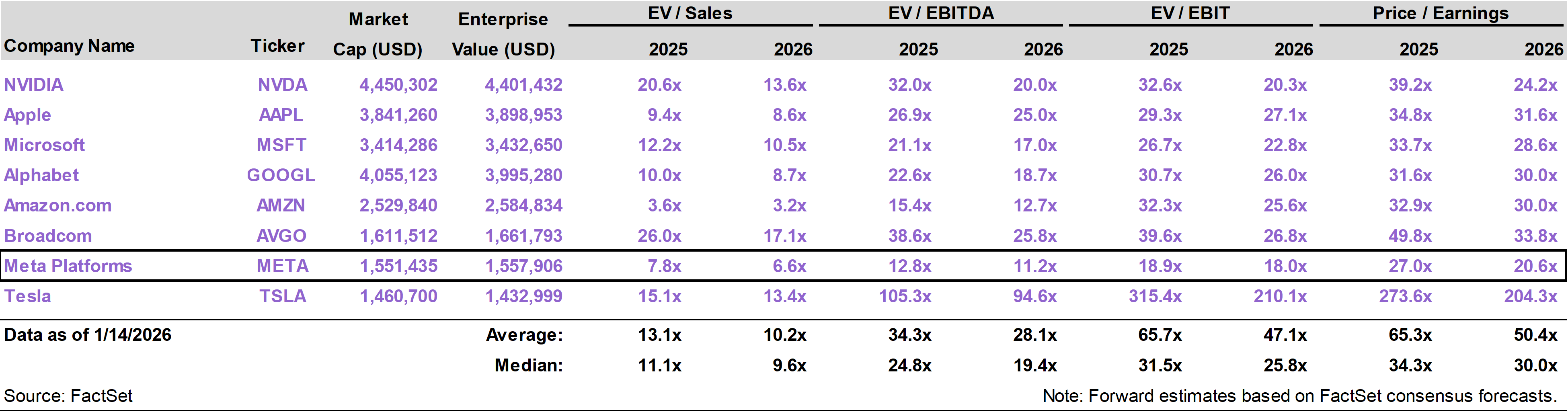
We see similar dynamics at work with META today. A recent pullback in sentiment has created a compelling valuation for a dominant technology franchise that is strongly aligned with long-term AI growth trends—despite improving fundamentals and clear evidence that AI investments are already delivering returns.
A premier producer and consumer of AI
META is both a producer and a large-scale consumer of AI, uniquely positioned to convert advances in AI into immediate economic returns across its global platforms.
We believe the market is currently underappreciating how meaningfully AI is already enhancing the company’s fundamentals—and how powerful its long-term positioning has become.
META generates more than $50 billion in quarterly revenue, with operating margins still near 40%, giving it the cash flow and balance sheet strength to invest aggressively while continuing to deliver strong earnings growth.
At the center of this strategy is Large Language Model Meta AI (LLaMA), its family of foundational AI models. By keeping LLaMA open and highly efficient, META accelerates innovation while rapidly deploying improvements across its leading social and communication platforms, including Facebook, Instagram, and WhatsApp.
These AI models are driving better ad targeting, creative optimization, and content recommendations, supporting mid-20% advertising revenue growth and measurable gains in advertiser ROI. At META’s scale, even small AI-driven improvements translate into billions of dollars of incremental revenue.
Future leader in “agentic AI”
The next phase of the AI revolution is the rise of AI agents. AI systems move from simply answering questions to taking action.
Instead of just generating responses, AI agents can plan steps, make decisions, and complete tasks for users. This could include handling customer support, booking appointments, managing online purchases, or running marketing campaigns.
As these agents become more capable and better integrated into everyday platforms, AI shifts from being a helpful tool to a practical assistant that saves time, boosts productivity, and enables entirely new ways of doing business.
META’s ongoing investment in LLaMA positions the company to win as AI agents become more relevant across the economy over the next several years.
Messaging platforms like WhatsApp and Messenger already connect billions of users with tens of millions of businesses, making them a natural home for AI-powered agents that handle customer service, commerce, and lead generation.
These agents have the potential to expand monetization beyond ads through paid messaging, business tools, and higher advertiser spending, while also reinforcing customer engagement.
Compelling valuation
META’s elevated investment levels—over $100 billion in projected annual capital expenditures as AI infrastructure scales—reflect a deliberate long-term strategy.
While these investments pressure free cash flow, META has repeatedly demonstrated an ability to convert heavy upfront spending into durable revenue streams, as seen with Stories and Reels, which now generate tens of billions in annual revenue.
Free cash flow is expected to decline over the next two years as META invests heavily in AI infrastructure, but it is expected to return to 2024 peak levels by 2028, driven by revenue growth. At that point, META should find itself in a position to grow free cash flow even as it continues to invest as heavily in AI as any other major player in tech.
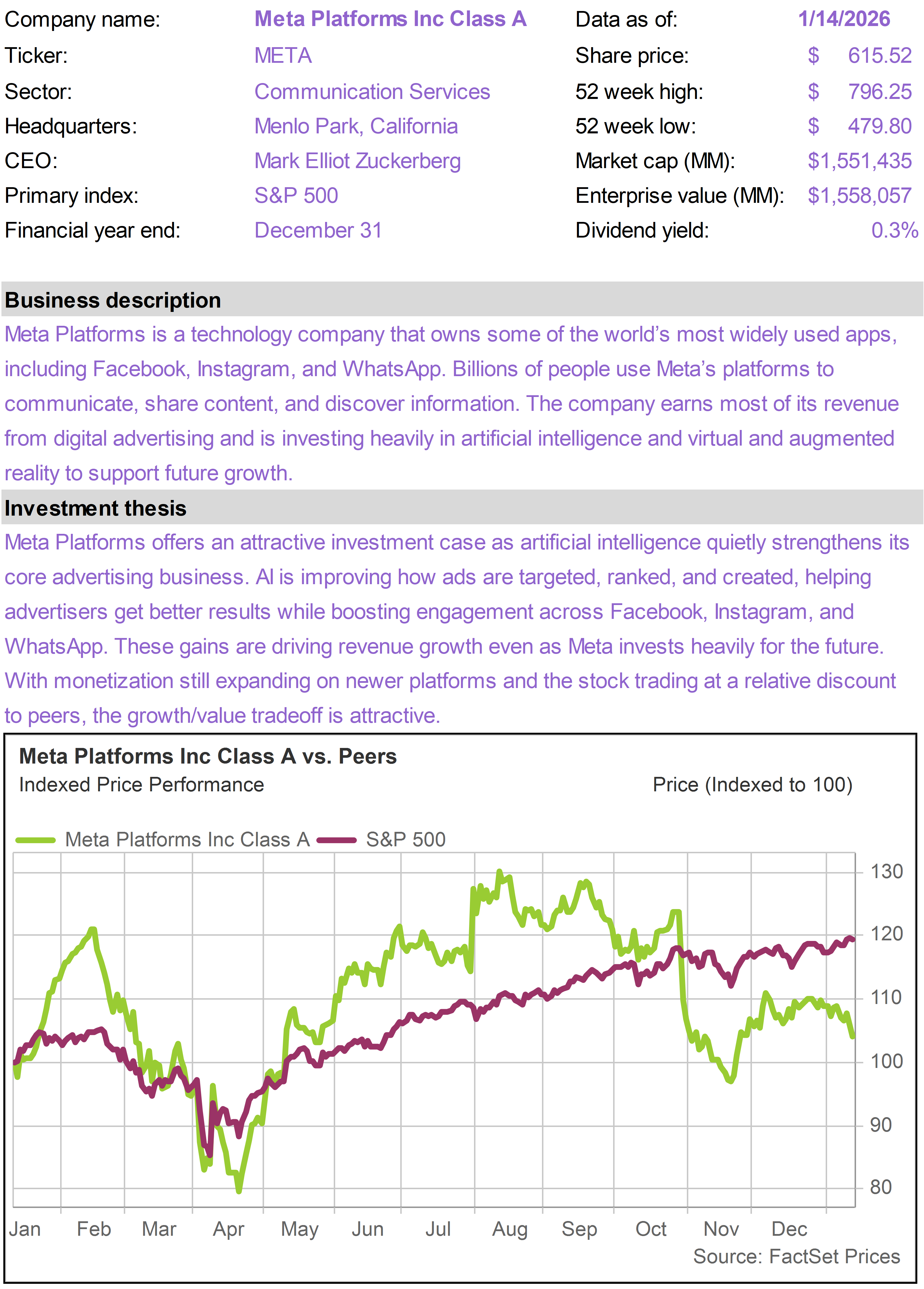
From the perspective of more short-term oriented investors, the acceleration in capital spending is seen as a negative. This has led to substantial pressure on META’s share price over the last several months.
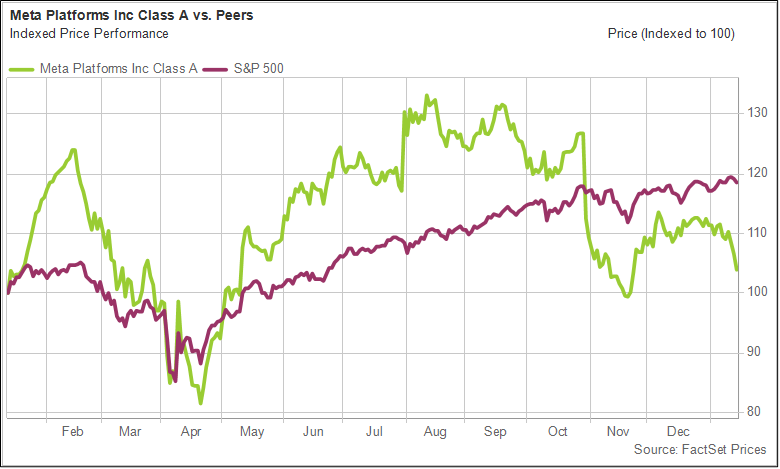
META shares are now down 21% from their all-time high reached on August 14, 2025. META has significantly underperformed the S&P 500 since then, which advanced 7%.