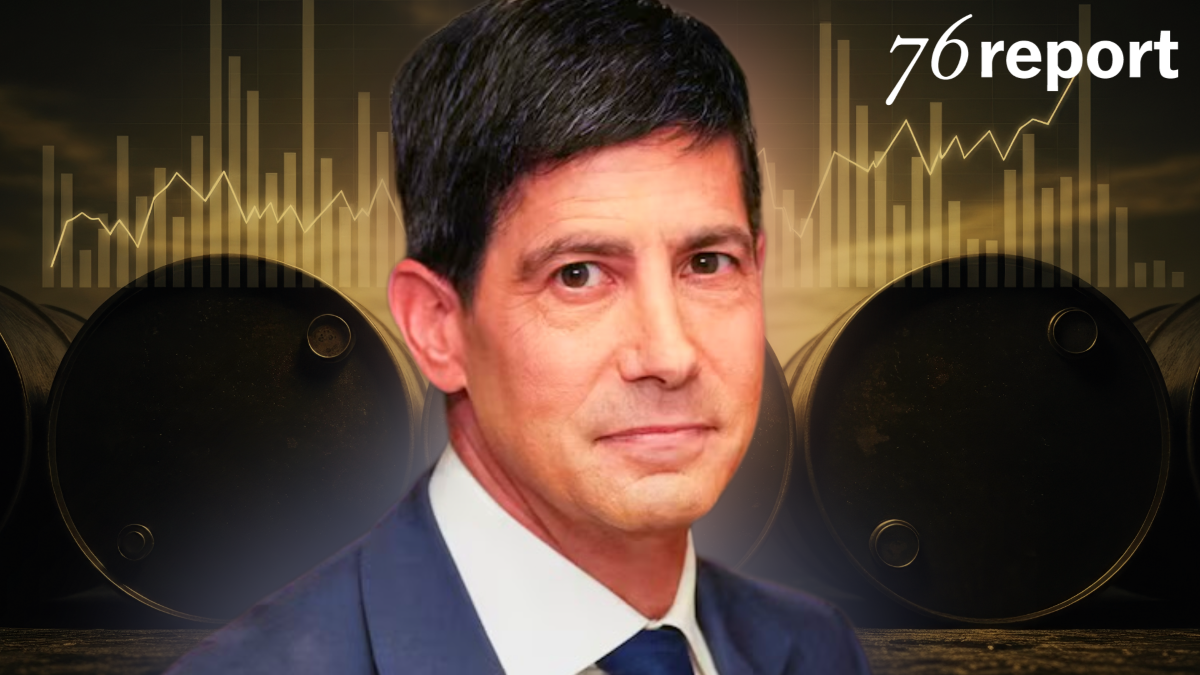
Always on the lookout for its next monetary sugar high, the stock market did not love what Kevin Warsh had to say during his first press conference as Fed Chair.
Stocks, gold, Bitcoin, and other rate-sensitive assets sold off noticeably following the Federal Reserve's policy announcement yesterday—and even more so after Warsh took the podium.
While the Fed left interest rates unchanged, an unexpectedly large number of Fed officials projected a more restrictive path than many investors had hoped for.
And Warsh himself repeatedly emphasized the Fed's commitment to restoring price stability. He made it clear that bringing inflation back to the Fed's 2% target remains his top priority.
The message was unmistakably hawkish and perhaps a bit of a surprise. After all, Warsh was appointed by President Trump, who has not been shy about his preference for lower interest rates.
Instead, the man Trump described as straight out of "central casting" for the position focused on inflation, credibility, and the need to deliver stable prices.
The market's reaction was understandable, but investors may be focusing on the wrong part of the story.
There are several reasons to believe the inflation outlook is actually improving.
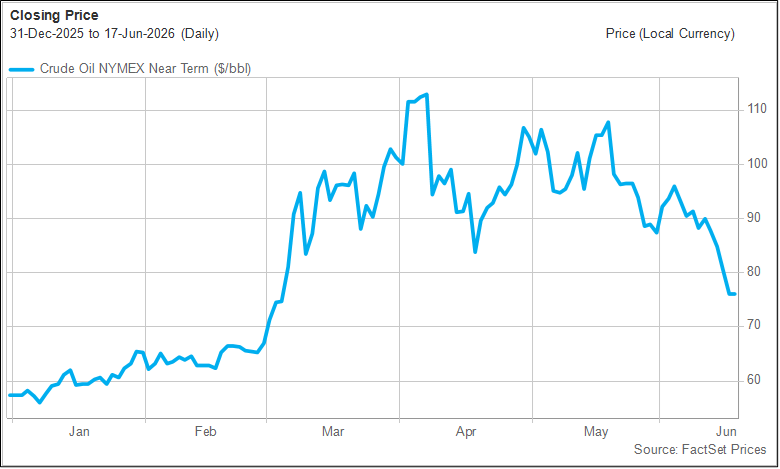
In the near term, falling oil prices are reversing many of the supply-side pressures that drove inflation higher earlier this year.
And over the longer term, Warsh repeatedly highlighted the importance of productivity growth, announcing a new Federal Reserve task force dedicated to studying productivity and AI.
While the market may have wanted more signs of immediate rate relief, investors with a longer time horizon should be most concerned with the forces that ultimately determine inflation itself.
Those forces increasingly appear to be moving in the right direction.
Warsh was not ready to declare victory on the inflation front but was very clear about his intention to defeat it.
The good news for investors is that falling energy prices and rising productivity may ultimately make that task easier than many currently expect.