Premium
Quicktake
*|MC:SUBJECT|*
͏ ‌     ͏ ‌     ͏ ‌     ͏ ‌     ͏ ‌     ͏ ‌     ͏ ‌     ͏ ‌     ͏ ‌     ͏ ‌     ͏ ‌     ͏ ‌     ͏ ‌     ͏ ‌     ͏ ‌     ͏ ‌     ͏ ‌     ͏ ‌     ͏ ‌     ͏ ‌     ͏ ‌     ͏ ‌     ͏ ‌     ͏ ‌     ͏ ‌     ͏ ‌     ͏ ‌     ͏ ‌     ͏ ‌     ͏ ‌     ͏ ‌     ͏ ‌     ͏ ‌     ͏ ‌     ͏ ‌     ͏ ‌     ͏ ‌     ͏ ‌     ͏ ‌     ͏ ‌     ͏ ‌     ͏ ‌     ͏ ‌     ͏ ‌     ͏ ‌     ͏ ‌     ͏ ‌     ͏ ‌     ͏ ‌     ͏ ‌     ͏ ‌     ͏ ‌     ͏ ‌     ͏ ‌     ͏ ‌     ͏ ‌     ͏ ‌     ͏ ‌     ͏ ‌     ͏ ‌     ͏ ‌     ͏ ‌     ͏ ‌     ͏ ‌     ͏ ‌     ͏ ‌     ͏ ‌     ͏ ‌     ͏ ‌     ͏ ‌     ͏ ‌     ͏ ‌     ͏ ‌     ͏ ‌     ͏ ‌     ͏ ‌     ͏ ‌     ͏ ‌     ͏ ‌     ͏ ‌     ͏ ‌     ͏ ‌     ͏ ‌     ͏ ‌     ͏ ‌     ͏ ‌     ͏ ‌     ͏ ‌     ͏ ‌     ͏ ‌     ͏ ‌     ͏ ‌     ͏ ‌     ͏ ‌     ͏ ‌     ͏ ‌     ͏ ‌     ͏ ‌     ͏ ‌     ͏ ‌     ͏ ‌     ͏ ‌     ͏ ‌     ͏ ‌     ͏ ‌     ͏ ‌     ͏ ‌     ͏ ‌     ͏ ‌     ͏ ‌     ͏ ‌     ͏ ‌     ͏ ‌     ͏ ‌     ͏ ‌     ͏ ‌     ͏ ‌     ͏ ‌     ͏ ‌     ͏ ‌     ͏ ‌     ͏ ‌     ͏ ‌     ͏ ‌     ͏ ‌     ͏ ‌     ͏ ‌     ͏ ‌     ͏ ‌     ͏ ‌     ͏ ‌     ͏ ‌     ͏ ‌     ͏ ‌     ͏ ‌     ͏ ‌     ͏ ‌     ͏ ‌     ͏ ‌     ͏ ‌     ͏ ‌     ͏ ‌     ͏ ‌     ͏ ‌     ͏ ‌     ͏ ‌     ͏ ‌     ͏ ‌     ͏ ‌     ͏ ‌     ͏ ‌     ͏ ‌     ͏ ‌     ͏ ‌     ͏ ‌     ͏ ‌     ͏ ‌     ͏ ‌     ͏ ‌     ͏ ‌     ͏ ‌     ͏ ‌     ͏ ‌     ͏ ‌     ͏ ‌     ͏ ‌     ͏ ‌     ͏ ‌     ͏ ‌     ͏ ‌     ͏ ‌     ͏ ‌     ͏ ‌     ͏ ‌     ͏ ‌     ͏ ‌     ͏ ‌     ͏ ‌     ͏ ‌     ͏ ‌     ͏ ‌     ͏ ‌     ͏ ‌     ͏ ‌     ͏ ‌     ͏ ‌     ͏ ‌     ͏ ‌     ͏ ‌     ͏ ‌     ͏ ‌     ͏ ‌     ͏ ‌     ͏ ‌     ͏ ‌     ͏ ‌     ͏ ‌     ͏ ‌     ͏ ‌     ͏ ‌     ͏ ‌     ͏ ‌     ͏ ‌     ͏ ‌     ͏ ‌     ͏ ‌     ͏ ‌     ͏ ‌     ͏ ‌     ͏ ‌     ͏ ‌     ͏ ‌     ͏ ‌     ͏ ‌     ͏ ‌     ͏ ‌     ͏ ‌     ͏ ‌     ͏ ‌     ͏ ‌     ͏ ‌     ͏ ‌     ͏ ‌     ͏ ‌     ͏ ‌     ͏ ‌     ͏ ‌     ͏ ‌     ͏ ‌     ͏ ‌     ͏ ‌     ͏ ‌     ͏ ‌     ͏ ‌     ͏ ‌     ͏ ‌     ͏ ‌     ͏ ‌     ͏ ‌     ͏ ‌     ͏ ‌     ͏ ‌     ͏ ‌     ͏ ‌     ͏ ‌     ͏ ‌     ͏ ‌     ͏ ‌     ͏ ‌     ͏ ‌     ͏ ‌     ͏ ‌     ͏ ‌     ͏ ‌     ͏ ‌     ͏ ‌     ͏ ‌     ͏ ‌     ͏ ‌     ͏ ‌     ͏ ‌     ͏ ‌     ͏ ‌     ͏ ‌     ͏ ‌     ͏ ‌     ͏ ‌     ͏ ‌     ͏ ‌     ͏ ‌     ͏ ‌     ͏ ‌     ͏ ‌     ͏ ‌     ͏ ‌     ͏ ‌     ͏ ‌     ͏ ‌     ͏ ‌     ͏ ‌     ͏ ‌     ͏ ‌     ͏ ‌     ͏ ‌     ͏ ‌     ͏ ‌     ͏ ‌     ͏ ‌     ͏ ‌     ͏ ‌     ͏ ‌     ͏ ‌     ͏ ‌     ͏ ‌     ͏ ‌     ͏ ‌     ͏ ‌     ͏ ‌     ͏ ‌     ͏ ‌     ͏ ‌     ͏ ‌     ͏ ‌     ͏ ‌     ͏ ‌     ͏ ‌     ͏ ‌     ͏ ‌     ͏ ‌     ͏ ‌     ͏ ‌     ͏ ‌     ͏ ‌     ͏ ‌     ͏ ‌     ͏ ‌     ͏ ‌     ͏ ‌     ͏ ‌     ͏ ‌    ­ ­ ­ ­ ­ ­ ­ ­ ­ ­ ­ ­ ­ ­ ­ ­ ­ ­ ­ ­ ­ ­ ­ ­ ­ ­ ­ ­ ­ ­ ­ ­ ­ ­ ­ ­ ­ ­ ­ ­ ­ ­ ­ ­ ­ ­ ­ ­ ­ ­ ­ ­ ­ ­ ­ ­ ­ ­ ­ ­ ­ ­ ­ ­ ­ ­ ­ ­ ­ ­ ­ ­ ­ ­ ­ ­ ­ ­ ­ ­ ­ ­ ­ ­ ­ ­ ­ ­ ­ ­ ­ ­ ­ ­ ­ ­ ­ ­ ­ ­ ­ ­ ­ ­ ­ ­ ­ ­ ­ ­ ­ ­ ­ ­ ­ ­ ­ ­ ­ ­ ­ ­ ­ ­ ­ ­ ­ ­ ­ ­ ­ ­ ­ ­ ­ ­ ­ ­ ­ ­ ­ ­ ­ ­ ­ ­ ­ ­ ­ ­ ­ ­ ­ ­ ­ ­ ­ ­ ­ ­ ­ ­ ­ ­ ­ ­ ­ ­ ­ ­ ­ ­ ­ ­ ­ ­ ­ ­ ­ ­ ­ ­ ­ ­ ­ ­ ­ ­ ­ ­ ­ ­ ­ ­ ­ ­ ­ ­ ­ ­ ­ ­ ­ ­ ­ ­ ­ ­ ­ ­ ­ ­ ­ ­ ­ ­ ­ ­ ­ ­ ­ ­ ­ ­ ­ ­ ­ ­ ­ ­ ­ ­ ­ ­ ­ ­ ­ ­ ­ ­ ­ ­ ­ ­ ­ ­ ­ ­ ­ ­ ­ ­ ­ ­ ­ ­ ­ ­ ­ ­ ­ ­ ­ ­ ­ ­ ­ ­ ­ ­ ­ ­ ­ ­ ­ ­ ­ ­ ­ ­ ­ ­


The Case for King Dollar


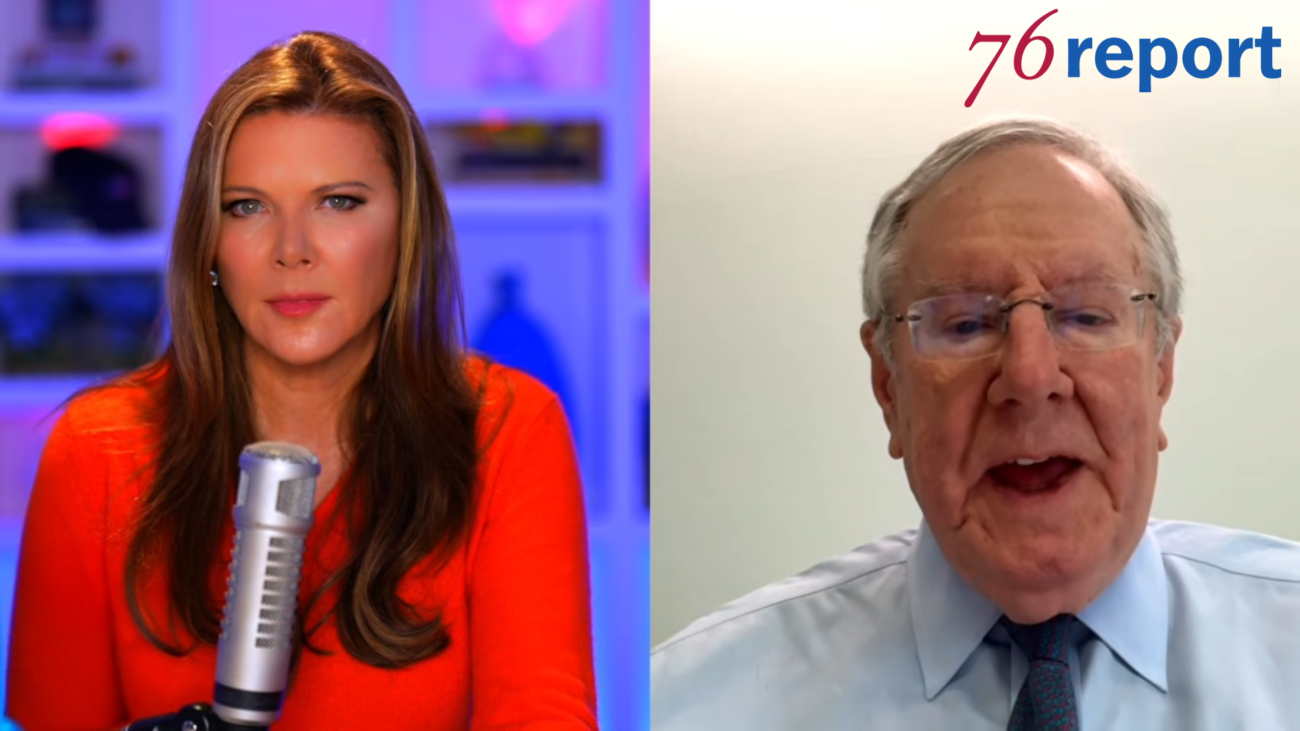
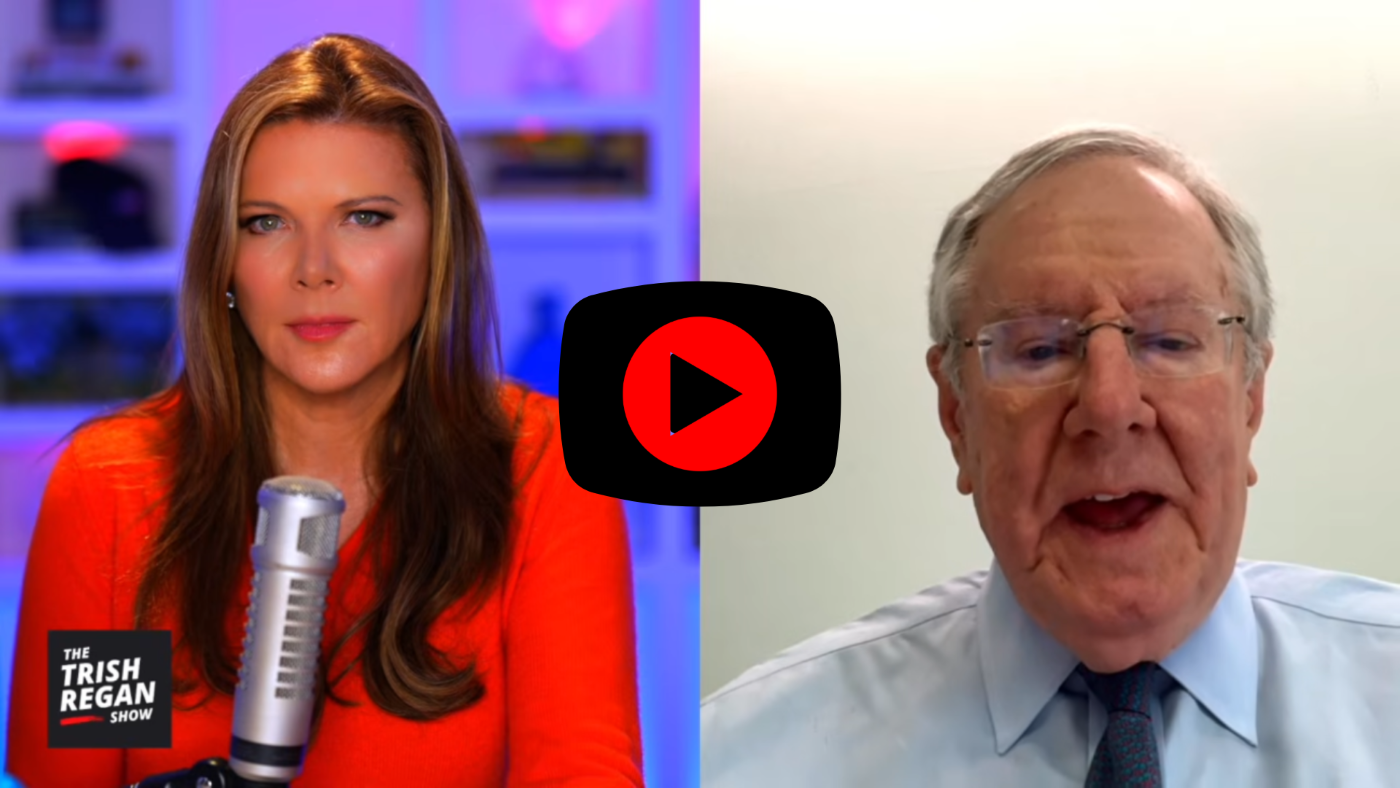
Steve Forbes joins Trish Regan to discuss the path back to dollar credibility, shrinking the Fed’s footprint, and why Kevin Warsh’s nomination is a critical inflection point.

Steve Forbes has been an influential voice in American economic policy for more than four decades. A two-time Presidential candidate, Forbes is best known for his advocacy of free markets, tax reform, and a strong dollar monetary framework.


With leadership of the Federal Reserve in flux and monetary policy at a crossroads, we saw this as an opportune moment for Trish to check in with her old friend on markets and the direction of the U.S. economy.

WATCH! Trish’s Exclusive Interview with Steve Forbes

Click HERE to start you subscription to the 76report for as low as $1 per month with promo code DOLLAR.


Credibility matters


The conversation begins with the ongoing controversy surrounding Rep. Ilhan Omar’s rapidly improved household finances—a subject he has been outspoken on lately.


Forbes’ point was not partisan. It was institutional.


When public officials—or their spouses—see dramatic increases in wealth that are difficult to reconcile with conventional business realities, the public deserves total transparency.


Not because success is wrong, but because trust requires clarity and predictability.


The same principle applies to the credibility of the U.S. dollar itself.


Forbes made a simple but powerful point: money is a measuring stick. If the measuring stick keeps changing, it becomes harder to plan, invest, or build anything with confidence.


When people lose confidence in that stability, they behave differently. Investors demand higher returns. Businesses hesitate. Consumers pull back or overreact.

Money measures value the way that a ruler measures length or a scale measures weight. And if the way you measure value is unreliable, it’s like a virus in a computer. It makes commerce much more difficult, much more expensive…. It’s like putting sand in the gas tank. - Steve Forbes

The need for a strong dollar


When investors believe the dollar will hold its purchasing power, they are willing to accept lower interest rates. That’s because they trust they will be repaid in real terms—not in depreciated currency.


Forbes pointed to Switzerland as an example. Swiss interest rates have historically been lower than U.S. rates—not because of manipulation, but because global markets trust the Swiss franc.


Forbes believes the sustainable way to achieve lower rates for mortgages, auto loans, and business lending is not through heavy-handed intervention. It is through restoring trust in the dollar itself.


What is the Fed’s proper role?


Forbes was also clear that the Federal Reserve has grown too large in its footprint. After years of Quantitative Easing (QE), the Fed now holds trillions of dollars in long-term Treasury bonds and mortgage securities.


In his view, this has distorted financial markets. When the central bank becomes one of the largest buyers of long-term assets, it interferes with price signals that normally help allocate capital efficiently.


He supports gradually shrinking the Fed’s balance sheet and shortening the maturity of what it owns. In other words, let markets, not policymakers, determine long-term rates. That would help restore a more natural yield curve and healthier lending environment.


When markets function properly, capital flows more efficiently to small businesses and productive enterprises.


Growth is NOT a problem


Perhaps most important was Forbes’ broader philosophical stance: strong growth should not scare policymakers. Too often, central banks treat economic momentum as a problem—talking about “overheating” whenever growth accelerates.


Forbes rejects that mindset. Growth driven by productivity and innovation is not inflationary by default. Currency debasement is.


He believes the Fed should focus narrowly on maintaining a stable dollar. Fiscal policy—tax reform, incentives for investment, pro-growth measures—is what should drive expansion, not money printing.


Getting back to normal


Forbes’ overall message is surprisingly simple in a complex era. A stable dollar. A Federal Reserve with a clear, limited mandate. Interest rates shaped by trust—not manipulation.


He also sees a potential catalyst for that shift: Kevin Warsh, Trump’s nominee to replace Jerome Powell as Fed Chair. Because Warsh has served inside the Fed, Forbes believes he understands how the institution operates—and where it has drifted.


In his view, a Warsh-led Fed could begin shrinking the balance sheet, shortening the duration of its holdings, and refocusing the central bank on monetary stability rather than market engineering or political mission creep.


“King Dollar” is not nostalgia—it is the prerequisite for sustainable prosperity. If Warsh can move policy in that direction, it would mark not just a leadership change—but a structural reset.

Click HERE to learn more about our Model Portfolios.