The difference between an AI chatbot, such as ChatGPT, and an AI agent is critical to understand.
A chatbot primarily answers questions. An agent can actually take action on your behalf.
Muse (which can be downloaded as an app on your phone) offers wide-ranging functionality. It can browse websites, navigate applications, make purchases, book restaurants, fill out forms, send emails and text messages, and help users manage longer-term goals.
It can also work across services ranging from META’s own platforms, including Facebook, Instagram and WhatsApp, to external platforms like Spotify, DoorDash, Reddit, and Gmail.
META’s unique opportunity with its AI agent becomes more visible when one considers how it combines this capability with its existing ecosystem.
Imagine you save a recipe on Instagram. Muse could recognize your interest, create a grocery list and eventually help purchase the ingredients.
Or you might tell Muse that you want to plan a family vacation. The agent could research destinations, compare hotels, coordinate calendars, make reservations and communicate with businesses.
This is the promise of agentic AI: rather than merely giving people information, AI begins performing tasks.
A formidable advantage
META already has what most AI companies desperately need. Nearly four billion people around the world use META's various services.
That provides something even the most sophisticated AI startups cannot easily replicate: distribution.
META also owns an extraordinary collection of contextual information.
Instagram knows what people are interested in. Facebook knows their social networks. The WhatsApp messaging platform connects consumers with businesses. Marketplace provides insight into commerce.
The opportunity is not merely to build an intelligent model. It is to build an intelligent model that is hyper-customized to user profiles.
This could become especially important as personal agents become more capable. An AI that understands your preferences, relationships, shopping behavior, schedule and interests should only become more useful over time.
There is another important issue: trust.
A useful personal agent eventually needs access to sensitive information—passwords, credit cards, emails and private communications.
META has designed Muse so that it operates inside its own dedicated virtual computer. The company is also developing a confidential version where data can be encrypted even from the company itself.
That architecture could prove important if AI agents begin conducting higher value transactions.
Early adoption has been encouraging. Muse quickly reached the upper ranks of the U.S. App Store, while early users were reportedly generating roughly 10 times as much usage as META had observed in its testing groups.
It is much too early to know whether that enthusiasm will persist. But the initial response suggests META may have created something consumers actually want to use.
What is Muse worth?
Initially, META appears focused more on engagement than revenue. That is consistent with the company's historical playbook: build a very large audience first and monetize later.
Muse currently includes a generous free tier alongside premium subscriptions priced at $20 and $100 per month.
With META's enormous user base, even modest conversion could become meaningful.
If only 1% of Meta's roughly 3.6 billion daily users ultimately paid $20 per month, the resulting annual revenue would approach $9 billion.
But subscription revenue may turn out to be only one piece of the opportunity. The more interesting long-term model could be transaction fees.
If Muse begins helping consumers purchase products, book travel, order food and transact with businesses, META could potentially take a percentage of the economic activity flowing through the platform.
This points to a much larger possibility.
AI agents may ultimately become a new interface between consumers and the internet. If that happens, the boundaries between search, advertising, commerce and payments could start to blur.
The business side may be just as important. Consumer AI gets most of the attention, but META is also building agents for businesses.
More than one million businesses are already using META's Business Agent every week on WhatsApp and Messenger.
These agents can answer questions, recommend products, qualify leads and book appointments. META is now building tools that allow businesses to connect agents to outside systems such as Shopify and customer service software.
This opportunity could be enormous because META already has relationships with more than 200 million businesses using its free and paid tools.
META has also launched an Application Programming Interface (API), which allows outside developers to plug META’s AI models into their own applications and services.
Early developer adoption has been impressive. One version of Muse Spark has already processed tens of trillions of tokens across more than 200,000 users.
Put these pieces together and META's AI strategy looks increasingly comprehensive: consumer agents, business agents, developer tools, advertising, subscriptions and potentially commerce.
AI is already making money
There is another reason investors should be careful about viewing META's AI spending purely as speculative. AI is already strengthening the core business.
Better recommendation algorithms are increasing engagement on Facebook and Instagram. Improved advertising models are helping businesses reach the right customers. Generative AI is making it easier for smaller advertisers to produce creative content.
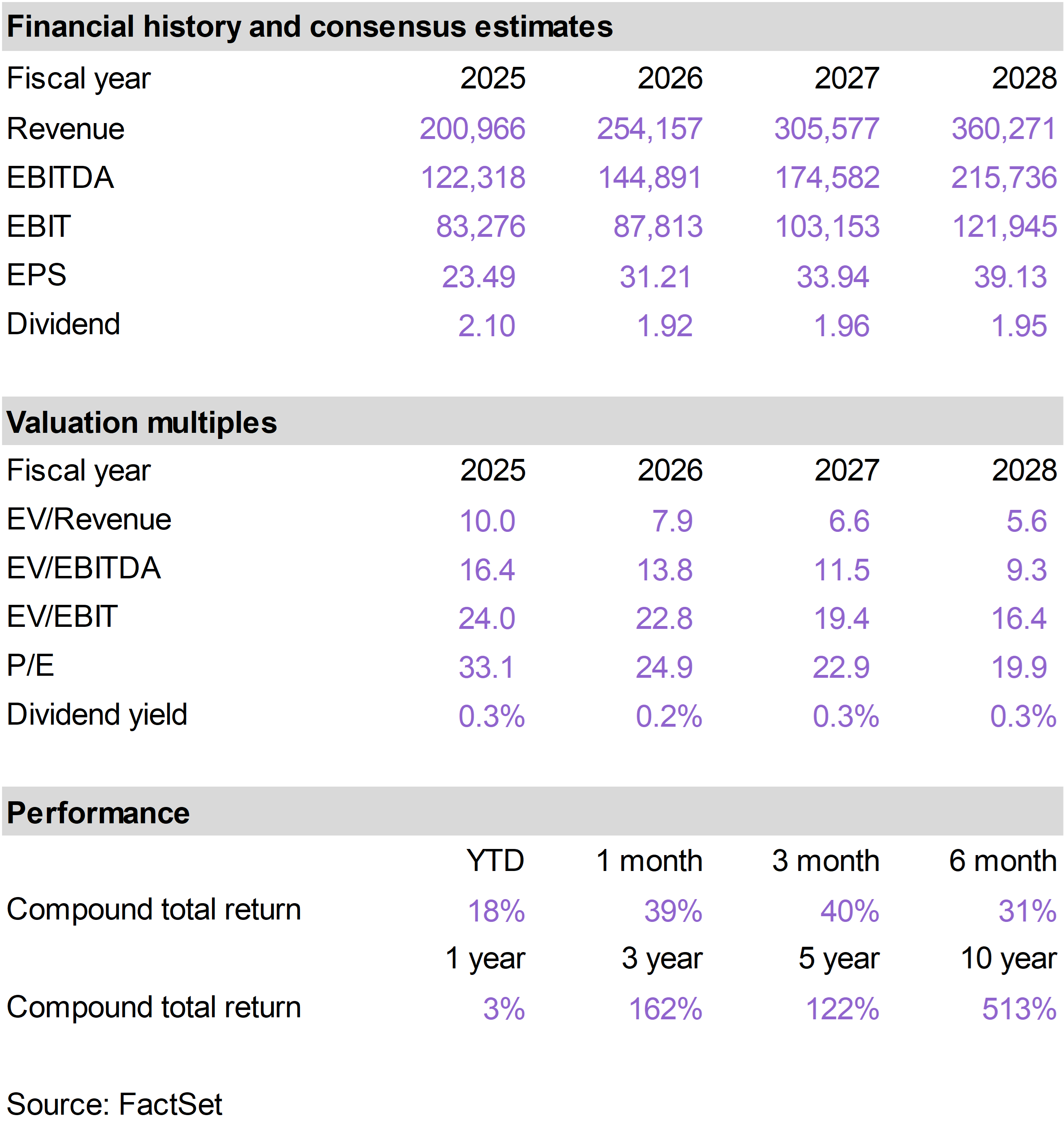
The numbers suggest the underlying business remains remarkably strong. Advertising revenue is expected to approach $250 billion this year, up more than 25%.
This distinguishes META from many companies making enormous AI investments.
META does not need to discover an entirely new business model to justify AI. Its existing business already benefits from the technology. Everything else is upside.
There is even a backup plan.
One of the more interesting aspects of META's strategy is the sheer amount of computing capacity it is building.
The company is reportedly targeting approximately 7 gigawatts of compute capacity in 2026, potentially doubling that to around 14 gigawatts in 2027.
Most of that capacity will presumably be consumed internally.
But if META eventually builds more computing infrastructure than it can economically use, it could potentially rent excess capacity to outside AI companies.
In other words, even overbuilding may have residual economic value. In this scenario, META effectively transitions into an AI landlord.
That does not eliminate the risk. But it changes the way investors should think about the downside.
META versus the AI doomers
META is also emerging as one of Silicon Valley's strongest philosophical counterweights to the AI doomer movement.
The company certainly recognizes that increasingly powerful AI systems create real risks.
But Zuckerberg has generally argued that advanced AI should be widely distributed rather than concentrated in the hands of a small number of companies or institutions.
That worldview helps explain META's historical enthusiasm for open-source AI. It also represents a fundamentally different vision of how the AI revolution should unfold.
Some AI safety advocates worry that giving powerful technology to too many people creates unacceptable risks. META worries that giving powerful technology to too few people may create risks of its own.
That debate will become increasingly important as AI systems become more capable.
It could also become strategically important.
By encouraging developers and businesses to build around its models, META is creating an ecosystem rather than merely a product.
The price of ambition
None of this means META's AI strategy is guaranteed to succeed. The company is spending staggering amounts of money.
Capital expenditures could exceed $200 billion annually over the next several years and will continue to absorb a very large portion of operating cash flow.
There is also no guarantee Muse succeeds as a mass-market product.
AI models themselves could become increasingly commoditized. META continues to compete against some of the most powerful technology companies ever assembled.
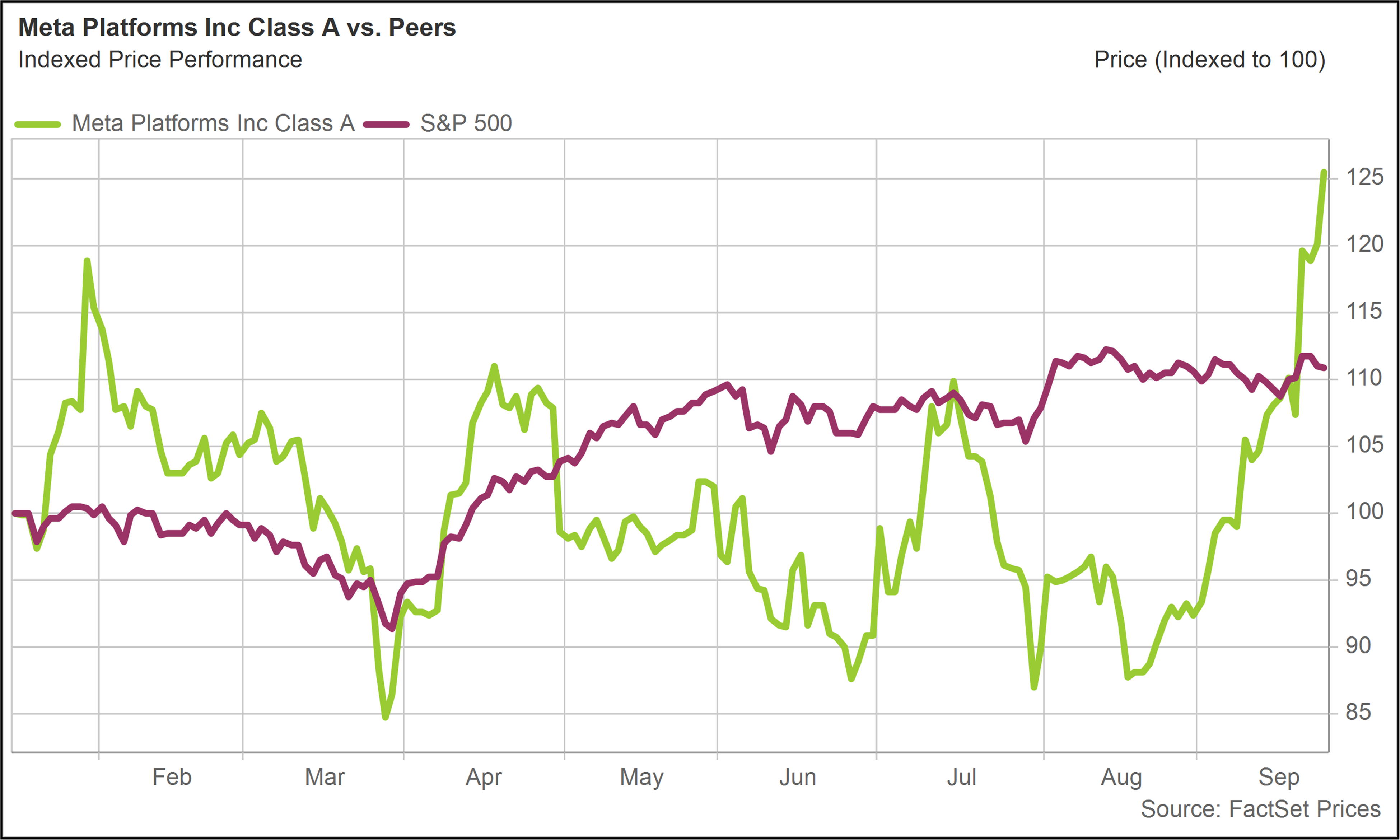
These risks are real. But they were also much easier to focus on eight months ago, when investors could point to all the spending and relatively few visible products.
Today, the products are starting to arrive.
Still cheap?
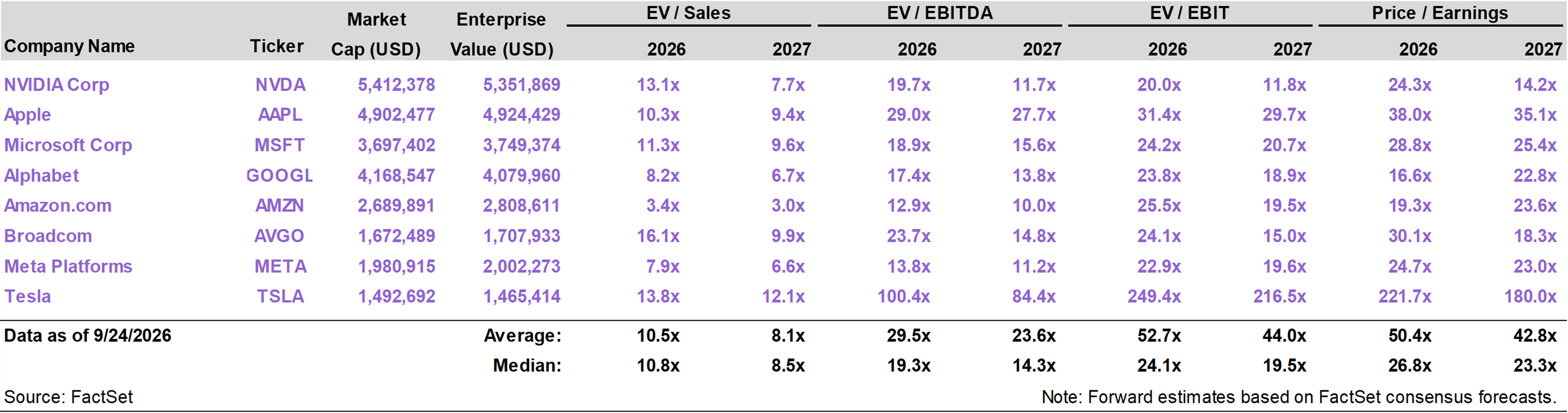
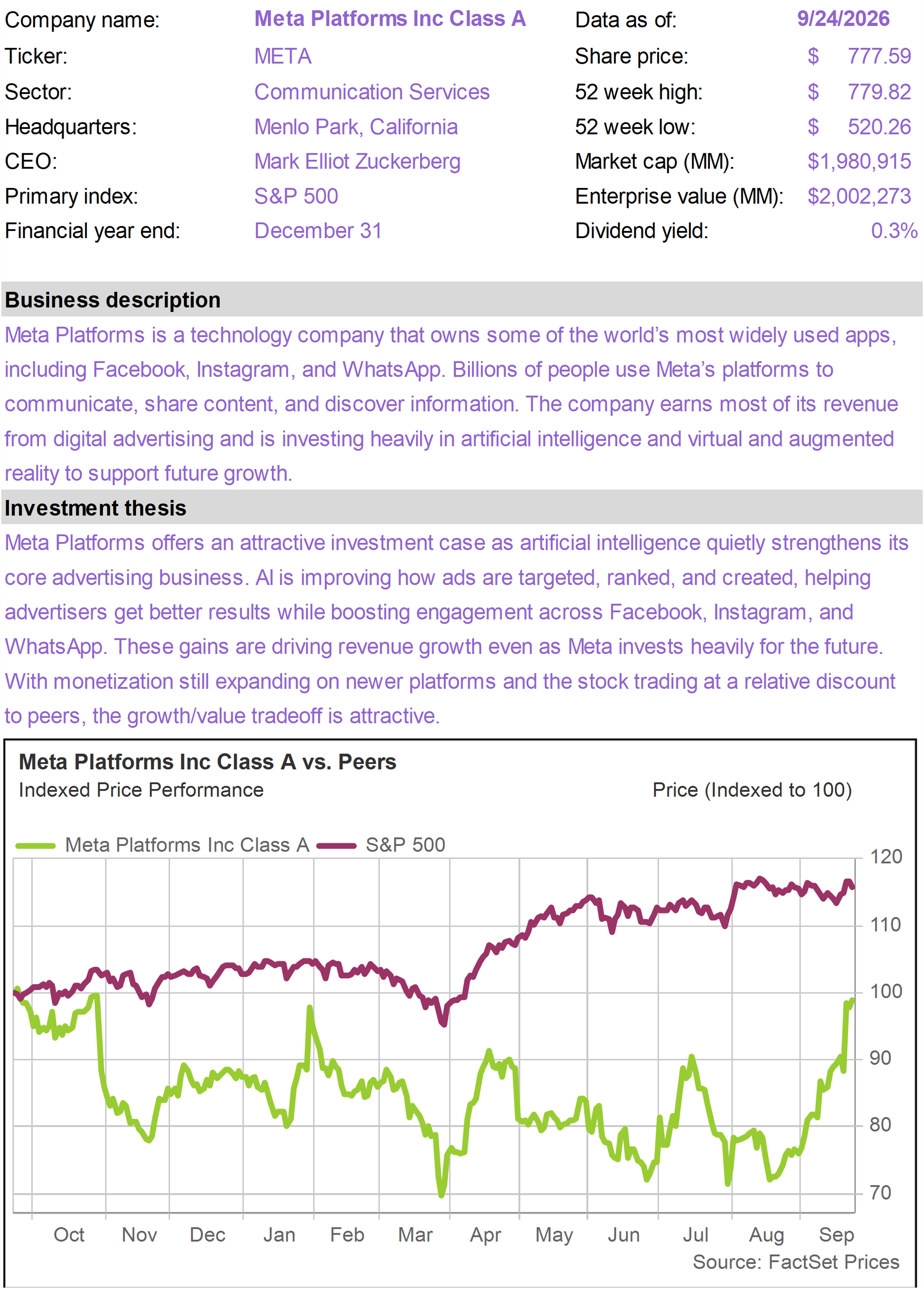
What is striking is that META still trades at a relatively modest valuation. Based on current earnings expectations, the shares trade at roughly 22 times next year's earnings, falling toward the mid-teens on earnings estimates a couple of years out.
That is not an aggressive valuation for a company still generating double-digit revenue growth while potentially building one of the world's most important AI ecosystems.
META now combines increasingly competitive AI models, enormous computing infrastructure, nearly four billion users, hundreds of millions of businesses and what may be the most sophisticated digital advertising machine ever created.
The market has clearly begun to recognize the opportunity. The more interesting question is whether it has recognized enough of it.