Income Builder
*|MC:SUBJECT|*
͏ ‌     ͏ ‌     ͏ ‌     ͏ ‌     ͏ ‌     ͏ ‌     ͏ ‌     ͏ ‌     ͏ ‌     ͏ ‌     ͏ ‌     ͏ ‌     ͏ ‌     ͏ ‌     ͏ ‌     ͏ ‌     ͏ ‌     ͏ ‌     ͏ ‌     ͏ ‌     ͏ ‌     ͏ ‌     ͏ ‌     ͏ ‌     ͏ ‌     ͏ ‌     ͏ ‌     ͏ ‌     ͏ ‌     ͏ ‌     ͏ ‌     ͏ ‌     ͏ ‌     ͏ ‌     ͏ ‌     ͏ ‌     ͏ ‌     ͏ ‌     ͏ ‌     ͏ ‌     ͏ ‌     ͏ ‌     ͏ ‌     ͏ ‌     ͏ ‌     ͏ ‌     ͏ ‌     ͏ ‌     ͏ ‌     ͏ ‌     ͏ ‌     ͏ ‌     ͏ ‌     ͏ ‌     ͏ ‌     ͏ ‌     ͏ ‌     ͏ ‌     ͏ ‌     ͏ ‌     ͏ ‌     ͏ ‌     ͏ ‌     ͏ ‌     ͏ ‌     ͏ ‌     ͏ ‌     ͏ ‌     ͏ ‌     ͏ ‌     ͏ ‌     ͏ ‌     ͏ ‌     ͏ ‌     ͏ ‌     ͏ ‌     ͏ ‌     ͏ ‌     ͏ ‌     ͏ ‌     ͏ ‌     ͏ ‌     ͏ ‌     ͏ ‌     ͏ ‌     ͏ ‌     ͏ ‌     ͏ ‌     ͏ ‌     ͏ ‌     ͏ ‌     ͏ ‌     ͏ ‌     ͏ ‌     ͏ ‌     ͏ ‌     ͏ ‌     ͏ ‌     ͏ ‌     ͏ ‌     ͏ ‌     ͏ ‌     ͏ ‌     ͏ ‌     ͏ ‌     ͏ ‌     ͏ ‌     ͏ ‌     ͏ ‌     ͏ ‌     ͏ ‌     ͏ ‌     ͏ ‌     ͏ ‌     ͏ ‌     ͏ ‌     ͏ ‌     ͏ ‌     ͏ ‌     ͏ ‌     ͏ ‌     ͏ ‌     ͏ ‌     ͏ ‌     ͏ ‌     ͏ ‌     ͏ ‌     ͏ ‌     ͏ ‌     ͏ ‌     ͏ ‌     ͏ ‌     ͏ ‌     ͏ ‌     ͏ ‌     ͏ ‌     ͏ ‌     ͏ ‌     ͏ ‌     ͏ ‌     ͏ ‌     ͏ ‌     ͏ ‌     ͏ ‌     ͏ ‌     ͏ ‌     ͏ ‌     ͏ ‌     ͏ ‌     ͏ ‌     ͏ ‌     ͏ ‌     ͏ ‌     ͏ ‌     ͏ ‌     ͏ ‌     ͏ ‌     ͏ ‌     ͏ ‌     ͏ ‌     ͏ ‌     ͏ ‌     ͏ ‌     ͏ ‌     ͏ ‌     ͏ ‌     ͏ ‌     ͏ ‌     ͏ ‌     ͏ ‌     ͏ ‌     ͏ ‌     ͏ ‌     ͏ ‌     ͏ ‌     ͏ ‌     ͏ ‌     ͏ ‌     ͏ ‌     ͏ ‌     ͏ ‌     ͏ ‌     ͏ ‌     ͏ ‌     ͏ ‌     ͏ ‌     ͏ ‌     ͏ ‌     ͏ ‌     ͏ ‌     ͏ ‌     ͏ ‌     ͏ ‌     ͏ ‌     ͏ ‌     ͏ ‌     ͏ ‌     ͏ ‌     ͏ ‌     ͏ ‌     ͏ ‌     ͏ ‌     ͏ ‌     ͏ ‌     ͏ ‌     ͏ ‌     ͏ ‌     ͏ ‌     ͏ ‌     ͏ ‌     ͏ ‌     ͏ ‌     ͏ ‌     ͏ ‌     ͏ ‌     ͏ ‌     ͏ ‌     ͏ ‌     ͏ ‌     ͏ ‌     ͏ ‌     ͏ ‌     ͏ ‌     ͏ ‌     ͏ ‌     ͏ ‌     ͏ ‌     ͏ ‌     ͏ ‌     ͏ ‌     ͏ ‌     ͏ ‌     ͏ ‌     ͏ ‌     ͏ ‌     ͏ ‌     ͏ ‌     ͏ ‌     ͏ ‌     ͏ ‌     ͏ ‌     ͏ ‌     ͏ ‌     ͏ ‌     ͏ ‌     ͏ ‌     ͏ ‌     ͏ ‌     ͏ ‌     ͏ ‌     ͏ ‌     ͏ ‌     ͏ ‌     ͏ ‌     ͏ ‌     ͏ ‌     ͏ ‌     ͏ ‌     ͏ ‌     ͏ ‌     ͏ ‌     ͏ ‌     ͏ ‌     ͏ ‌     ͏ ‌     ͏ ‌     ͏ ‌     ͏ ‌     ͏ ‌     ͏ ‌     ͏ ‌     ͏ ‌     ͏ ‌     ͏ ‌     ͏ ‌     ͏ ‌     ͏ ‌     ͏ ‌     ͏ ‌     ͏ ‌     ͏ ‌     ͏ ‌     ͏ ‌     ͏ ‌     ͏ ‌     ͏ ‌     ͏ ‌     ͏ ‌     ͏ ‌     ͏ ‌     ͏ ‌     ͏ ‌     ͏ ‌     ͏ ‌     ͏ ‌     ͏ ‌     ͏ ‌     ͏ ‌     ͏ ‌     ͏ ‌     ͏ ‌     ͏ ‌     ͏ ‌     ͏ ‌     ͏ ‌     ͏ ‌     ͏ ‌     ͏ ‌     ͏ ‌     ͏ ‌     ͏ ‌     ͏ ‌     ͏ ‌     ͏ ‌     ͏ ‌     ͏ ‌     ͏ ‌     ͏ ‌     ͏ ‌     ͏ ‌    ­ ­ ­ ­ ­ ­ ­ ­ ­ ­ ­ ­ ­ ­ ­ ­ ­ ­ ­ ­ ­ ­ ­ ­ ­ ­ ­ ­ ­ ­ ­ ­ ­ ­ ­ ­ ­ ­ ­ ­ ­ ­ ­ ­ ­ ­ ­ ­ ­ ­ ­ ­ ­ ­ ­ ­ ­ ­ ­ ­ ­ ­ ­ ­ ­ ­ ­ ­ ­ ­ ­ ­ ­ ­ ­ ­ ­ ­ ­ ­ ­ ­ ­ ­ ­ ­ ­ ­ ­ ­ ­ ­ ­ ­ ­ ­ ­ ­ ­ ­ ­ ­ ­ ­ ­ ­ ­ ­ ­ ­ ­ ­ ­ ­ ­ ­ ­ ­ ­ ­ ­ ­ ­ ­ ­ ­ ­ ­ ­ ­ ­ ­ ­ ­ ­ ­ ­ ­ ­ ­ ­ ­ ­ ­ ­ ­ ­ ­ ­ ­ ­ ­ ­ ­ ­ ­ ­ ­ ­ ­ ­ ­ ­ ­ ­ ­ ­ ­ ­ ­ ­ ­ ­ ­ ­ ­ ­ ­ ­ ­ ­ ­ ­ ­ ­ ­ ­ ­ ­ ­ ­ ­ ­ ­ ­ ­ ­ ­ ­ ­ ­ ­ ­ ­ ­ ­ ­ ­ ­ ­ ­ ­ ­ ­ ­ ­ ­ ­ ­ ­ ­ ­ ­ ­ ­ ­ ­ ­ ­ ­ ­ ­ ­ ­ ­ ­ ­ ­ ­ ­ ­ ­ ­ ­ ­ ­ ­ ­ ­ ­ ­ ­ ­ ­ ­ ­ ­ ­ ­ ­ ­ ­ ­ ­ ­ ­ ­ ­ ­ ­ ­ ­ ­ ­ ­ ­ ­ ­ ­ ­ ­ ­

Income Builder Model Portfolio

Monthly Portfolio Review: February 2026

Publication date: March 2, 2026

Current portfolio holdings

FOR SUBSCRIBER USE ONLY. DO NOT FORWARD OR SHARE.

Executive summary

  • Pessimistic AI narratives challenged Technology stocks in February and helped fuel a rotation into other sectors.

  • With large-cap tech under pressure, the S&P 500 declined approximately 0.8%.

  • The Income Builder portfolio delivered a total return of 2.4%. The portfolio has returned 8.4% on a year to date basis, versus 0.7% for the S&P 500.

  • Energy and Utility stocks drove the outperformance, with double-digit returns provided by Permian Resources (PR), Williams (WMB), and Sempra (SRE).

  • Alternative asset managers Blackstone (BX) and Carlyle Group (CG) declined on concerns over private credit. We continue to view both stocks as solid long-term investments with durable asset management fee streams.

  • Operation Epic Fury has begun in Iran. We are closely monitoring events. Energy stocks may benefit.

Performance review

The Income Builder portfolio returned 2.4% in February, while the S&P 500 Index returned -0.8%. On a year to date basis through the end of the month, the portfolio has returned 8.4%, versus 0.7% for the index.


The top performing positions in the portfolio in February were Permian Resources (PR), which returned 13%; Williams (WMB), which returned 11%; and Sempra (SRE), which returned 11%.


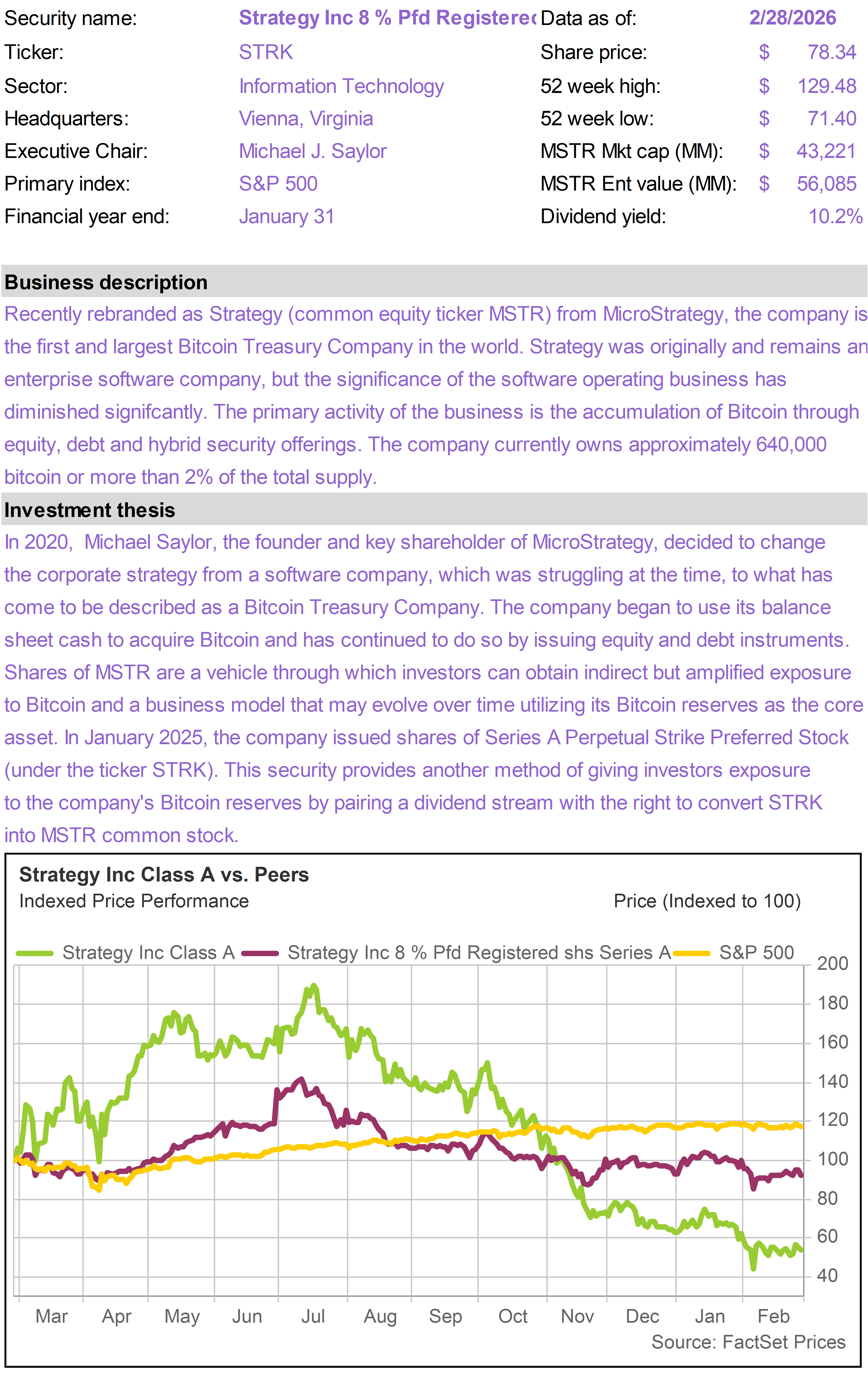
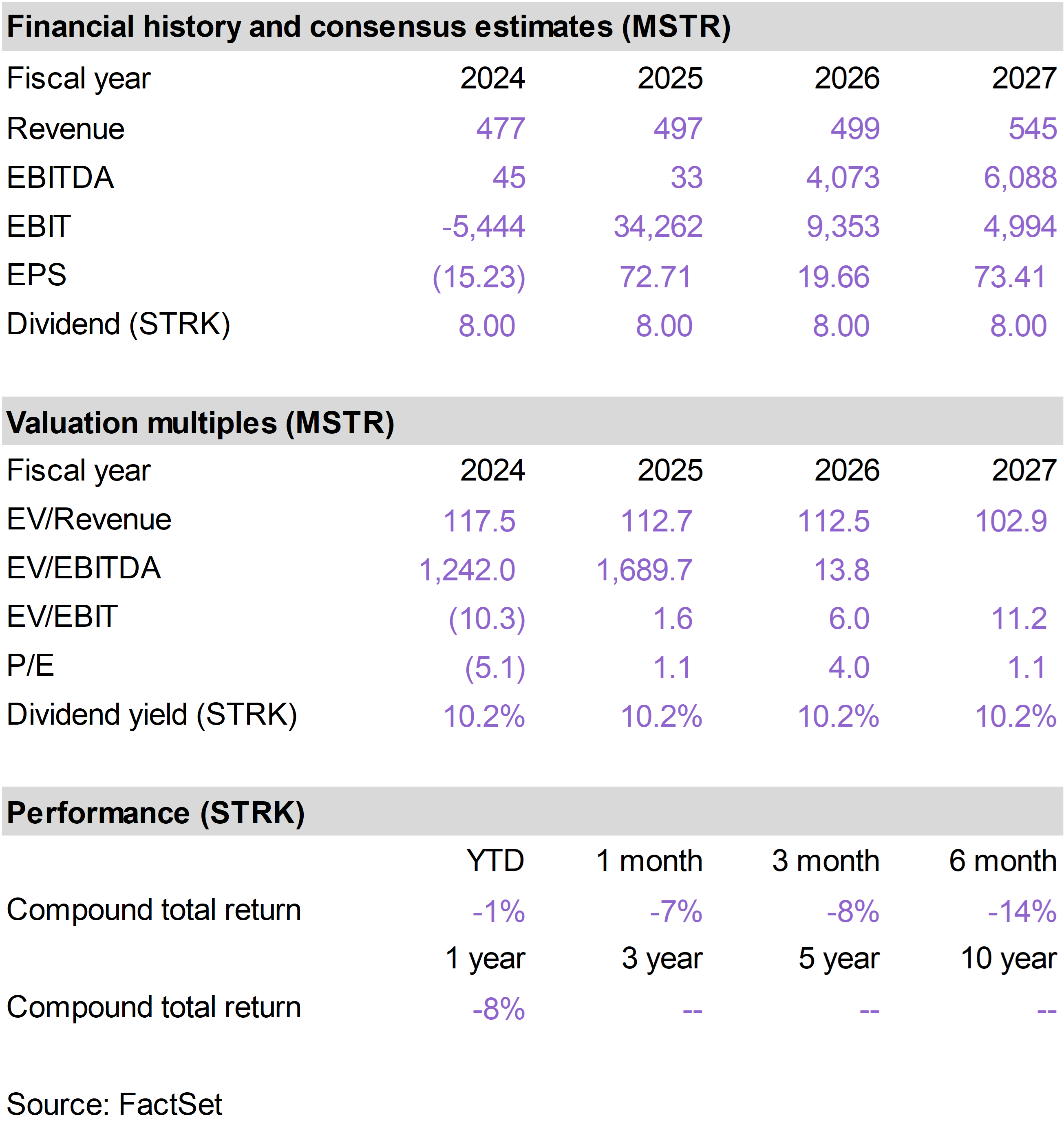
The worst performing positions in the portfolio this month were Blackstone (BX), which returned -19%; Carlyle Group (CG), which returned -11%; and Strategy 8% Perpetual Preferred (STRK), which returned -8%.


AI upheaval


The most notable market development in February revolved around uncertainty about how AI will reshape industries as well as the broader economy.


For much of last year, AI-related anxieties focused on whether the technology sector was overbuilding data center capacity. Investors also worried that more efficient, decentralized AI models—exemplified by China’s DeepSeek—could compress margins for AI hardware and equipment suppliers, such as NVIDIA (NVDA).


In February, however, the concern evolved. The question is no longer whether the AI opportunity is overstated. Instead, investors are beginning to grapple with how powerful AI may be—and what that power means for existing business models.


As we noted in the 76report in early February (Software as a Sell-Off), fears that next-generation AI platforms could undermine established software vendors have gained momentum. That narrative accelerated through January and carried into February.


The core concern is straightforward: advanced AI platforms—such as Anthropic’s Claude—may reduce the need for complex, high-cost enterprise software systems. Generative AI can increasingly write customized code at minimal incremental cost and perform functions for which businesses currently pay substantial subscription fees.


Whether this disruption unfolds gradually or rapidly remains an open question. But markets have begun to price the risk aggressively.


The divergence is visible in the iShares Expanded Tech-Software Sector ETF (IGV), which holds many large-cap software and services names now viewed as most exposed to AI disintermediation. IGV declined another 10% in February after falling 15% in January, a sharp underperformance relative to broader technology indices.


Software ETF (IGV) vs. NASDAQ Composite

(Total Return - Last 6 Months)


AI deflation risk?


Anxiety around AI broadened beyond the software sector in late February after Citrini Research published a widely circulated memo titled “The 2028 Global Intelligence Crisis.”


Written as a hypothetical dispatch from June 2028, the report outlined a deflationary cascade in which rapid AI adoption triggered mass white-collar layoffs, pushed unemployment above 10%, and drove the S&P 500 38% below its October 2026 peak. The memo went viral almost immediately, reportedly attracting more than 22 million views on X.


The so-called AI “scare trade” erupted on Monday, February 23, weighing heavily on software, payments, and delivery shares. Even long-established enterprise players like IBM (IBM) experienced extreme volatility, with IBM suffering its worst single-day decline in 25 years, falling 13% in one session.


The Citrini framework was provocative because it flipped a widely held assumption.


For the past two years, investors have viewed AI-driven productivity gains as unambiguously positive—disinflationary, margin-expanding, and supportive of higher equity multiples. The memo instead framed productivity as destabilizing: too much efficiency, too quickly, leading to demand destruction and systemic stress.


We intend to explore these themes in greater depth in an upcoming 76report. While we acknowledge that AI will be disruptive—and in some cases painful—our base case remains that broad-based efficiency gains ultimately support real growth and create room for easier monetary policy, as opposed to sustained deflationary collapse.


Sector rotation


With AI platforms like Claude and ChatGPT dropping impressive new capabilities seemingly every week, investors are desperately trying to sort out winners from losers. In February, fears around AI helped drive a rotation from technology shares altogether.


We noted last month that the S&P 500 Equal Weight Index substantially outperformed the market-cap weighted index in January, returning 3.3% versus 1.5%. Similarly, S&P Value outperformed S&P Growth, returning 2.4% versus 0.5%.


This pattern of sector rotation away from large-cap tech only intensified in February. The S&P 500 Equal Weight Index again outperformed the market-cap weighted index, returning 3.6% versus -0.8%. S&P Value again outperformed S&P Growth, returning 2.3% versus -3.4%.


S&P 500 vs. Equal Weight, Value, Growth

(Total Return - February 2026)


For much of the past two years, enthusiasm around AI has led investors into technology shares. Now the opposite is happening.


Investors are worried that AI will hurt profitability within the sector, and they are looking elsewhere, especially at business models anchored by physical assets that cannot be cheaply replicated by the likes of Claude.


Technology was among the worst performing sectors in February, declining 4%. The Financials sector also declined 4%, for related reasons.


Payment processors traded poorly because of perceived AI disruption risk (they were named specifically in the Citrini report). Alternative asset managers and banks were hit by concerns around their exposure to private credit markets, which in turn have high exposure to software companies.


Utilities and Energy led returns in February, significantly outperforming the broader index. Both sectors advanced 10%.


Utilities, along with other defensive, rate-sensitive sectors like Consumer Staples and Real Estate, were aided by a decline in long-term interest rates. Yields on 10-Year Treasuries dipped below 4% for the first time since October 2025.


The decline in long-term interest rates is notable as they had been creeping up over the course of the prior three months. One reason for the prior rise is that Trump’s nominee for Fed Chair, Kevin Warsh, is an outspoken critic of Quantitative Easing.


Warsh has expressed interest in gradually unwinding the Fed’s balance sheet holdings of long-term bonds, which in principle could lead to upward pressure on long-term yields.


However, with the AI-driven deflation narrative becoming more prominent, yields on 10-Year Treasuries dropped sharply in February, approximately 30 basis points.


10-Year Treasury Yields—Last 12 Months

(Source: FactSet)


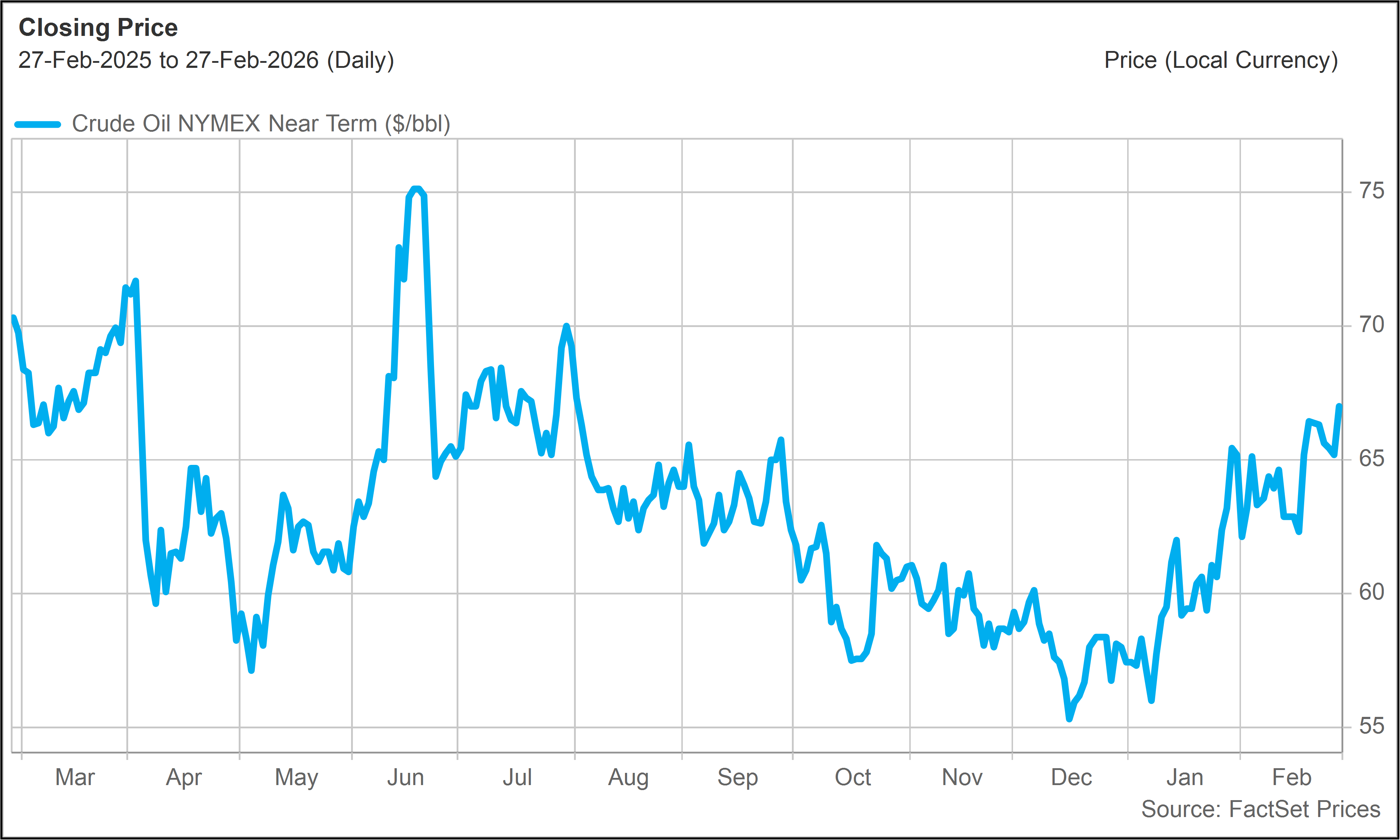
Energy stocks were assisted by a sharp recovery in crude oil prices, which had drifted below $60 per barrel toward the end of 2025.


Crude oil prices continued to move up in February. They advanced in January, following the events in Venezuela, which were seen as potentially disruptive to supplies in the short-term. In February, crude again moved higher in anticipation of a potential military intervention in Iran.


Crude Oil - Last 12 Months


Operation Epic Fury


As we write, we are in the early stages of Trump’s decision to launch a full-scale attack on Iran. Ayatollah Khamenei has been confirmed killed, along with other senior leaders of the regime. Much of Iran’s military capability appears to have been decimated.


While Iran has responded with various missile attacks across the region, leading to some damage and casualties, its ability to mount a substantial retaliation is questionable.


The situation remains fluid. Early indications suggest modest pressure on stocks heading into the new week. Oil prices appear significantly higher given the potential closure of the Strait of Hormuz. Gold is stronger with the rise in geopolitical uncertainty.


We will of course monitor events closely and respond in due course as the situation develops.

Portfolio highlights

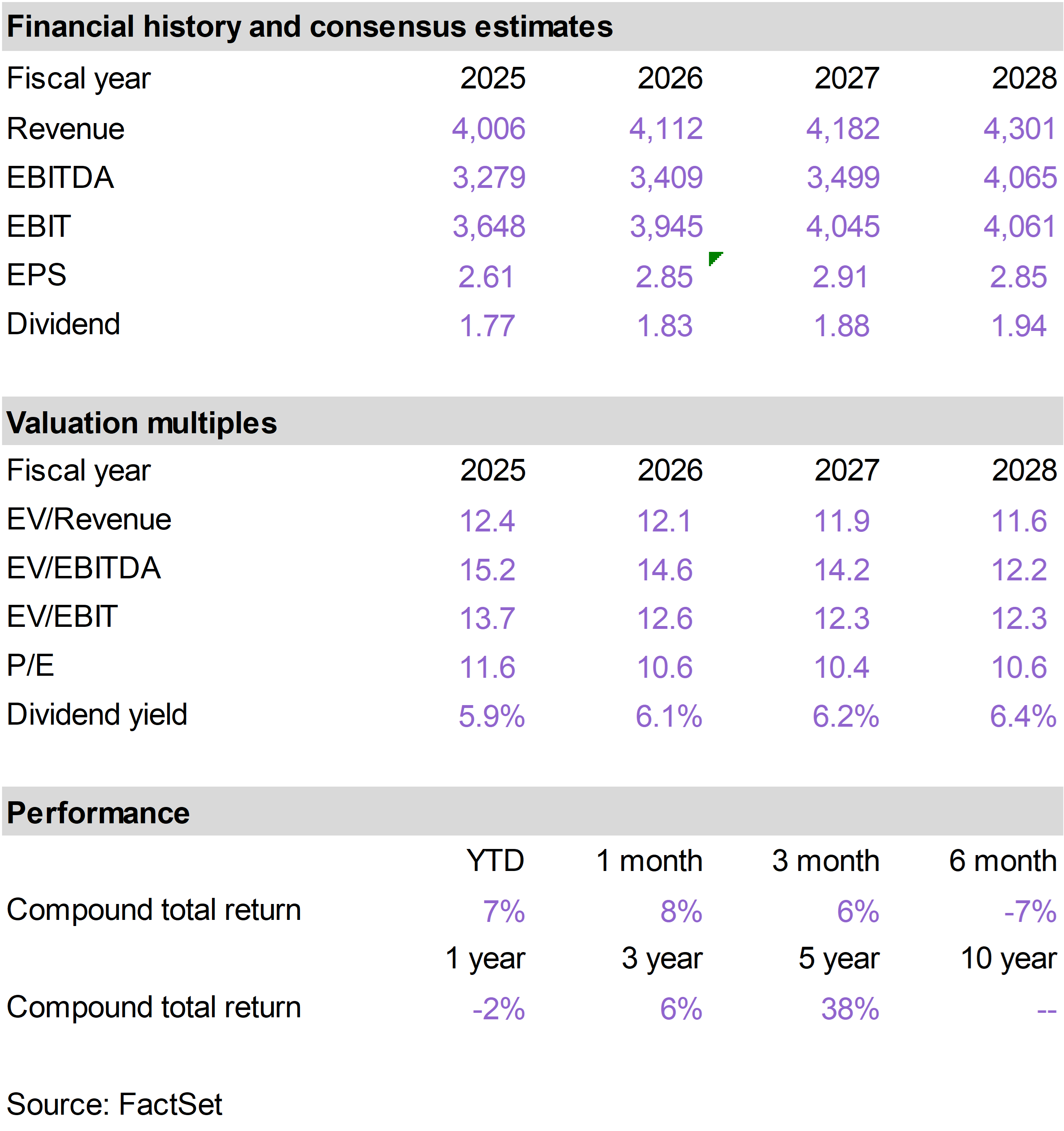
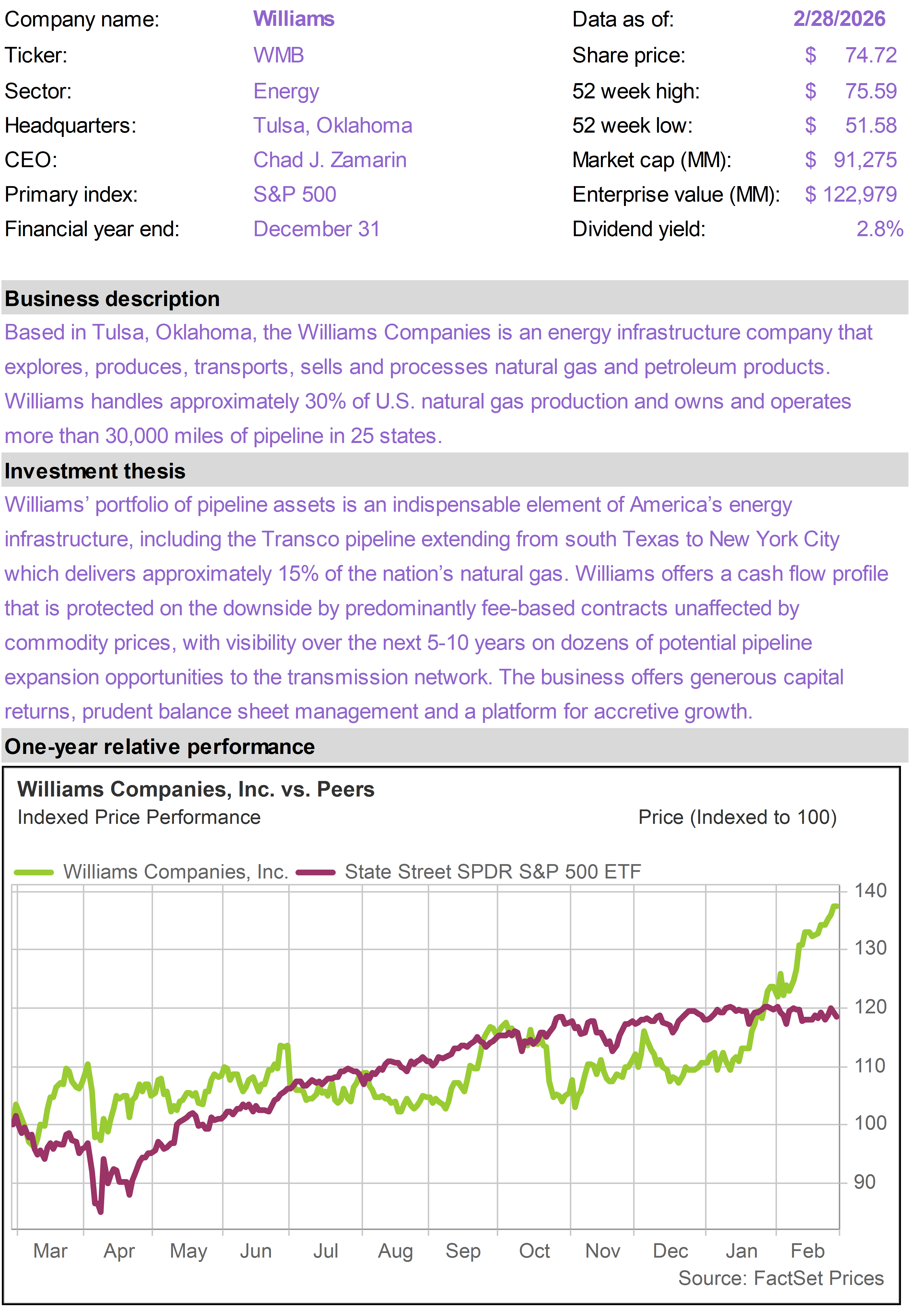
The top performing positions within the portfolio in February were Permian Resources (PR), which returned 13%; Williams (WMB), which returned 11%; and Sempra (SRE), which returned 11%.


The worst performing positions were Blackstone (BX), which returned -19%; Carlyle Group (CG), which returned -11%; and Strategy 8% Perpetual Preferred (STRK), which returned -8%.

Shares of PR advanced on the heels of a strong earnings report and upward movement in oil prices. The company exited 2025 with record oil production and some of the lowest drilling and completion costs in its history, underscoring the strength of its Delaware Basin operations.


Free cash flow generation remains a key highlight. PR grew free cash flow by 18% in 2025, while reducing debt by more than $600 million. Management continues to emphasize a long-term focus on growing free cash flow per share through capital efficiency, disciplined spending, and opportunistic acquisitions.


Looking into 2026, the company expects roughly 5% oil production growth while keeping capital spending relatively steady. Combined with improved gas marketing, PR is positioned to generate durable cash flow even in a moderate commodity environment.


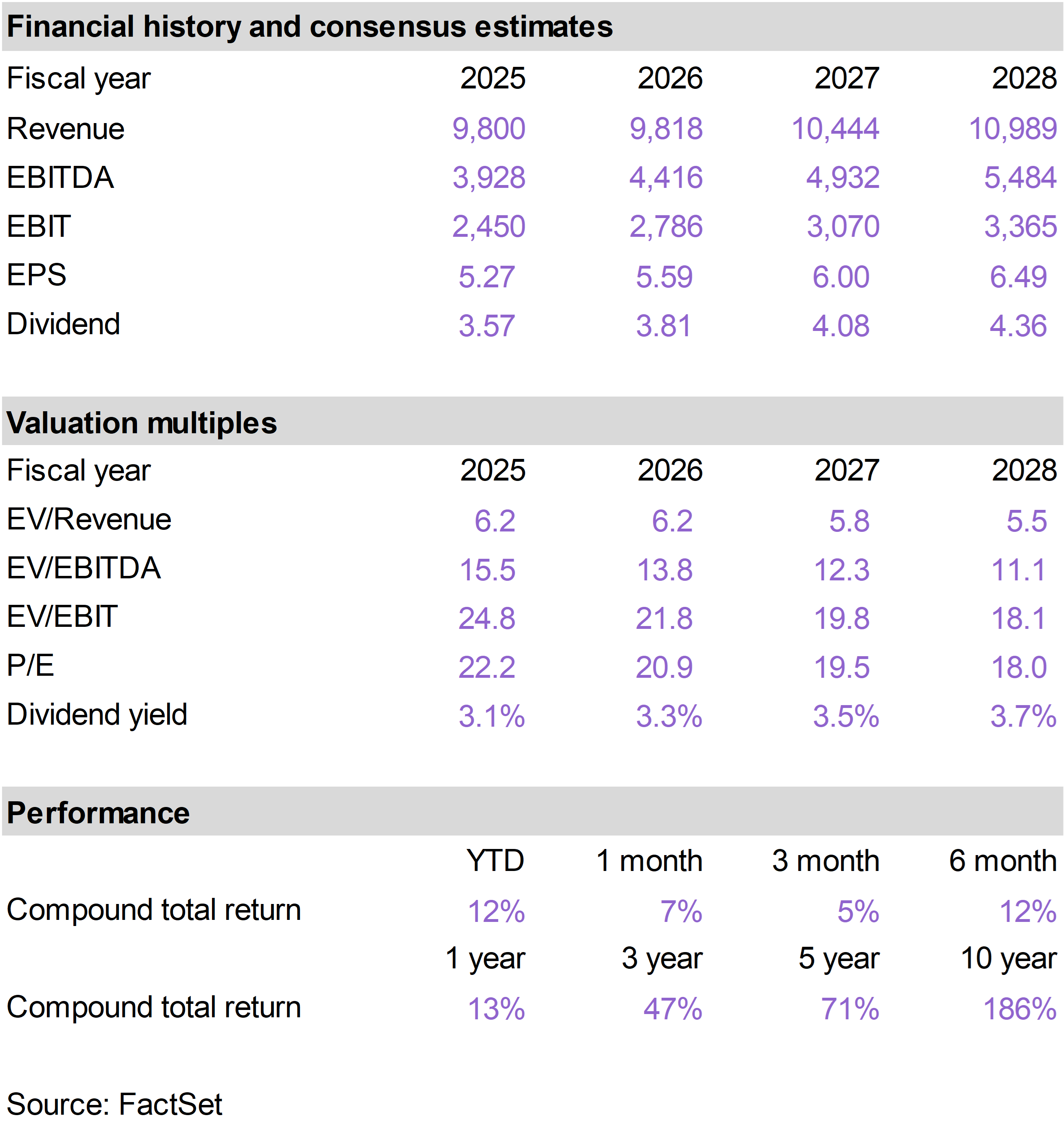
As the largest natural gas pipeline operator in the United States, WMB owns indispensable and irreplaceable industrial infrastructure. Shares of WMB benefited in February from a solid fourth quarter earnings report and a successful investor day event.


Management reinforced confidence in the company’s long-term growth framework, highlighting durable demand across its natural gas transmission and processing footprint and a strong backlog of expansion projects.


The business continues to generate steady cash flow, supported by largely fee-based contracts and strong operating performance. Management’s outlook calls for continued earnings growth driven by disciplined capital allocation, incremental project roll-ins, and modest margin expansion.


With improving fundamentals, a constructive multi-year demand outlook tied to power generation and LNG exports, and a strong balance sheet, investors appear increasingly confident in WMB’s ability to compound value through the cycle.


SRE performed well as investors favored utility stocks. The company offers meaningful leverage to strong infrastructure demand in Texas, where accelerating transmission and distribution investment is driving an attractive rate base growth outlook.


Management sees a clear path to achieving the high end of its long-term 7–9% earnings growth framework. The combination of visible capital investment, improving earnings alignment with rate base growth, and a predominantly regulated business mix provides investors with durable, lower-volatility growth.


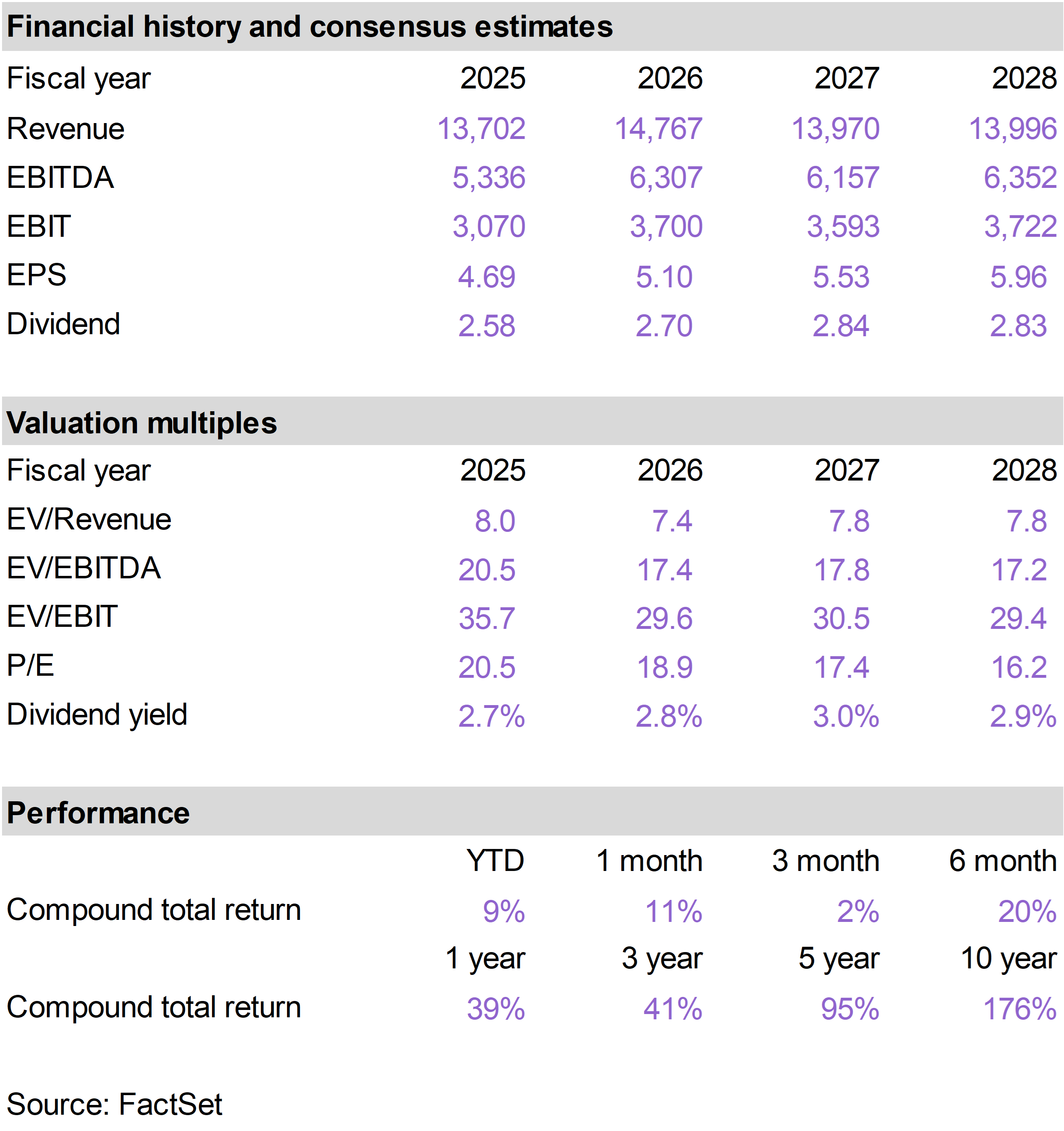
Shares of alternative asset managers BX and CG declined, reflecting fears of private credit exposure. Investors grew concerned that a slower growth environment and tighter financial conditions could pressure portfolio companies, reduce deal activity, and lead to higher credit losses across private lending platforms.


There is also a secondary concern tied to software exposure. Over the past decade, private equity and private credit have allocated significant capital to software and asset-light technology businesses, attracted by their recurring revenue models and high margins.


As public software stocks have sold off amid AI disruption fears, investors have begun to question whether private-market valuations for these businesses may also come under pressure.


Both BX and CG operate diversified alternative asset management platforms with substantial fee-related earnings that are not directly tied to short-term mark-to-market movements. Much of their revenue comes from long-duration capital and management fees rather than purely transactional income.


Recent weakness, therefore, appears driven more by macro and sentiment concerns, including spillover from software, than by any deterioration in long-term fundamentals.


In February, CG hosted an investor day which focused attention on the long-term strengths of the business. Management outlined a clear three-year roadmap centered on scaling fee-related earnings, expanding margins, and driving durable organic growth across its platform.


The firm is targeting approximately 15% annual growth in fee-related earnings by 2028, alongside fee-related earnings margins of 50% or greater. Cumulative inflows are projected to exceed $200 billion between 2026 and 2028.


Notably, management emphasized the growing importance of wealth and insurance-related capital, including more than $40 billion expected from evergreen wealth vehicles that represent a structurally attractive and recurring source of fundraising.


The investor day reinforced our view that CG is evolving into a more diversified, margin-accretive alternative asset manager with stronger visibility into long-term fee growth.


Shares of STRK declined with weakness in Bitcoin and soft crypto sentiment. We remain quite comfortable with Strategy’s ability to meet it dividend obligations to preferred shareholders, barring a catastrophic and sustained collapse in the value of Bitcoin.


Key metrics

Valuation detail

Performance detail

Company snapshots

Blackstone (BX)

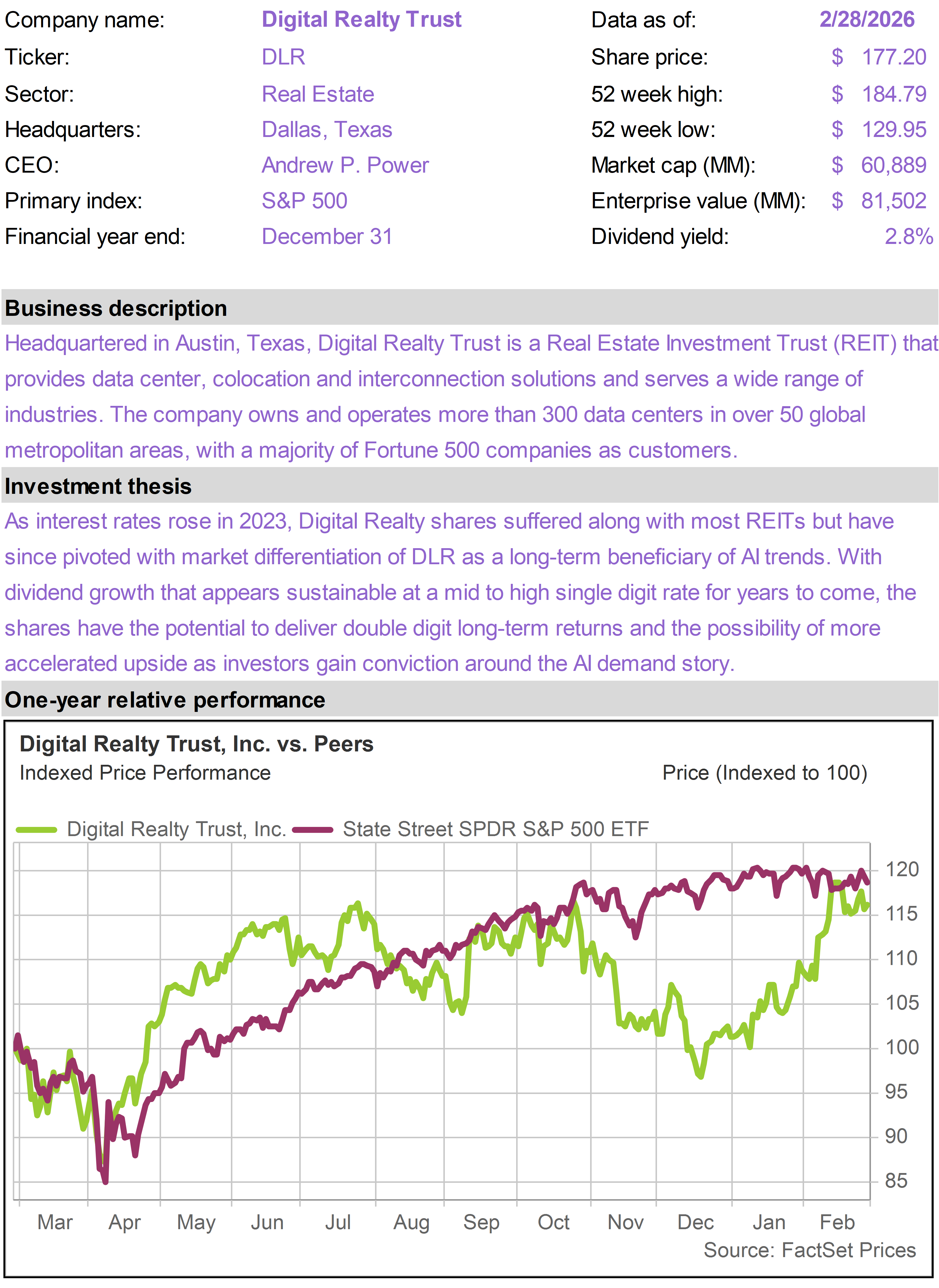
Digital Realty Trust (DLR)

Texas Instruments (TXN)

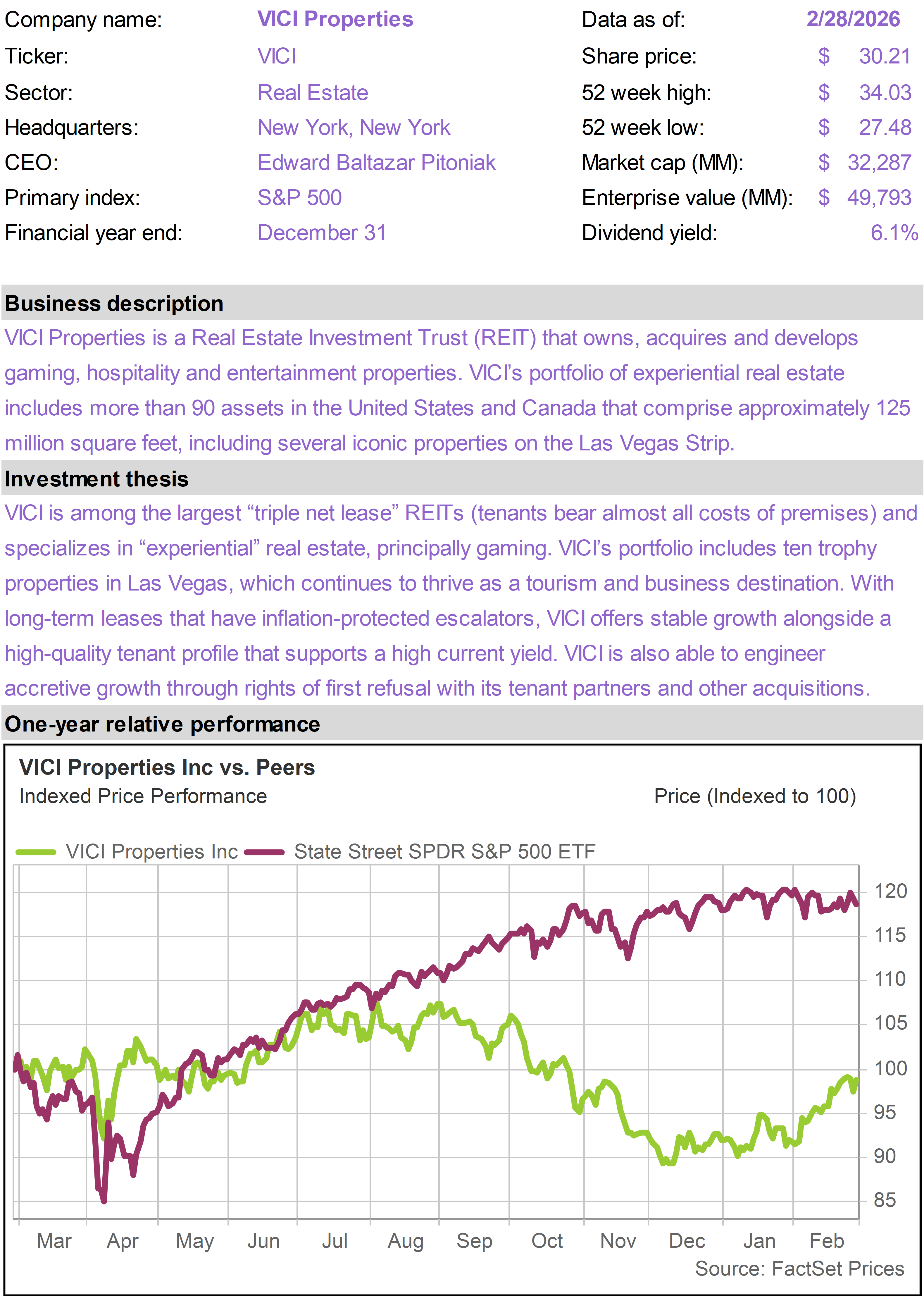
VICI Properties (VICI)

Williams (WMB)

Crown Castle (CCI)

Carlyle Group (CG)

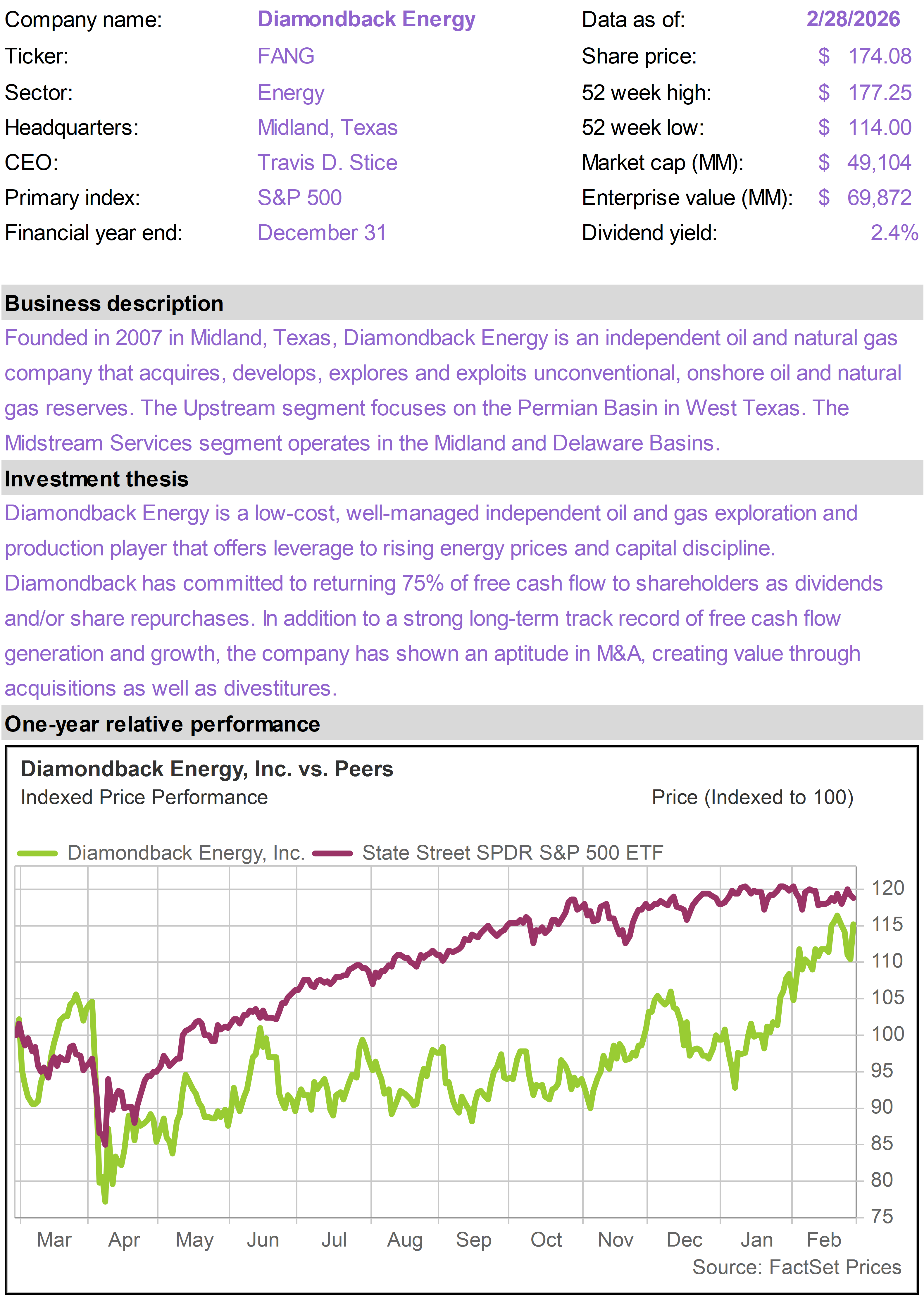
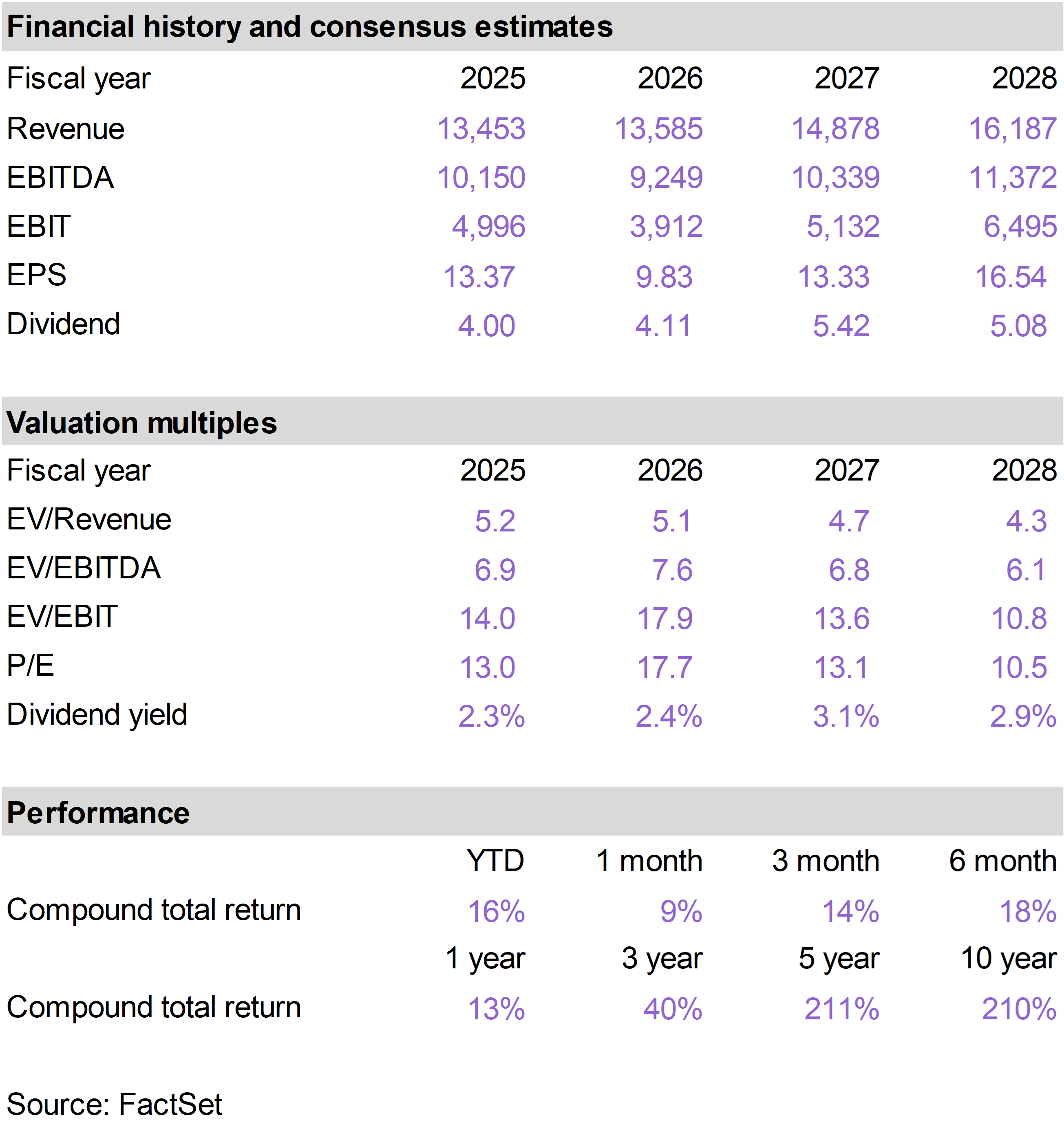
Diamondback Energy (FANG)

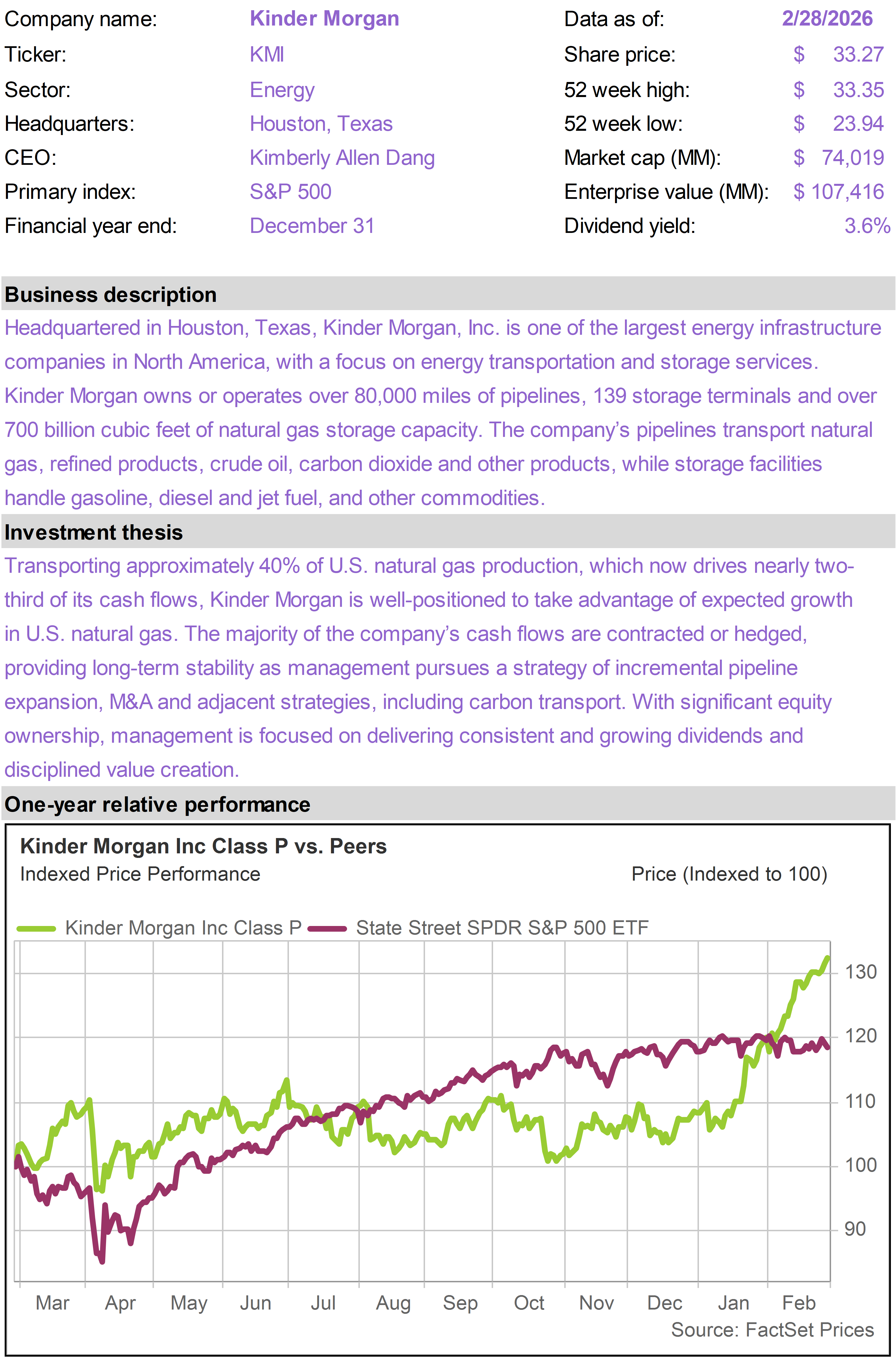
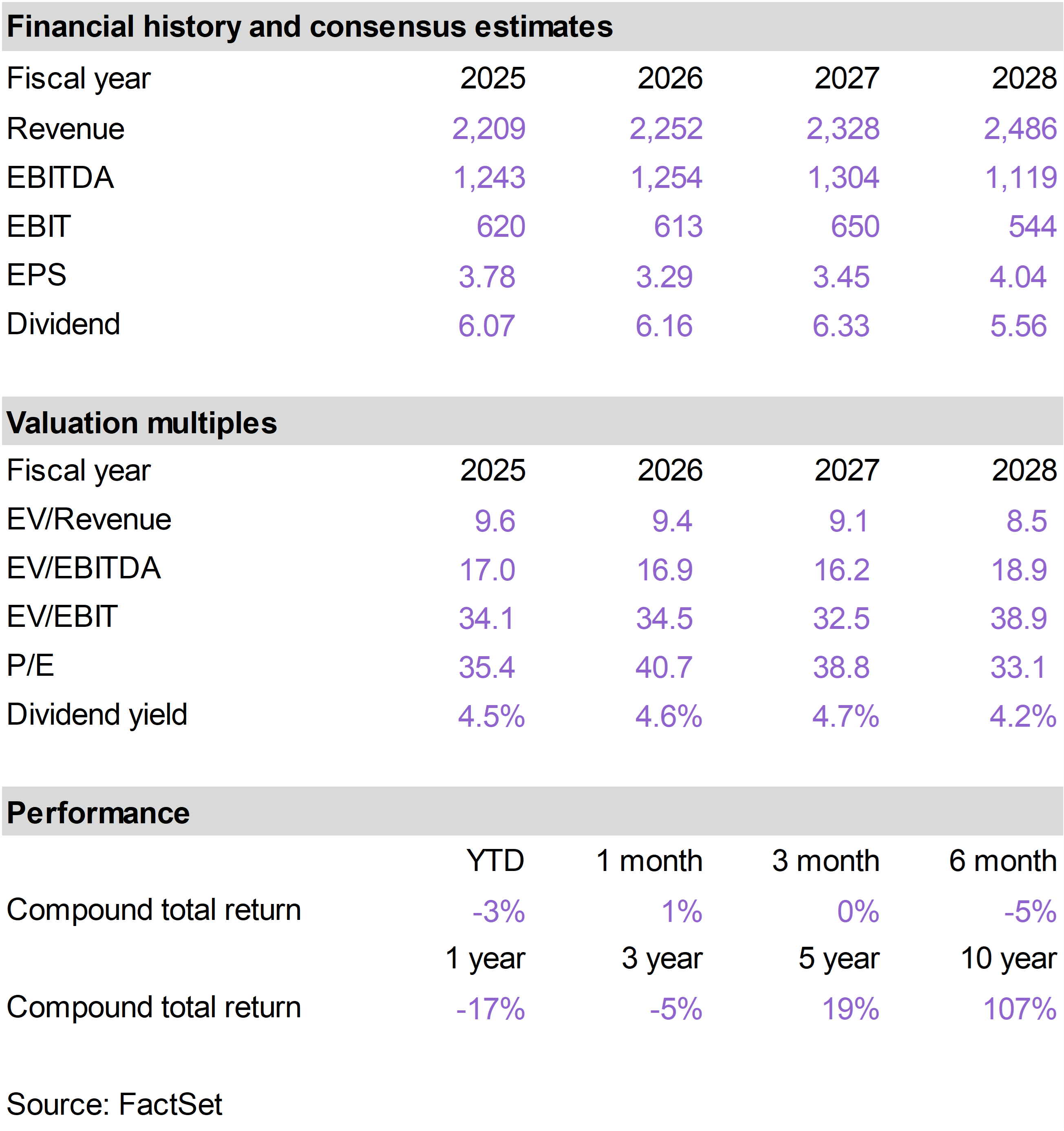
Kinder Morgan (KMI)

Mid-America Apartment (MAA)

Prologis (PLD)

Permian Resources (PR)

Sempra (SRE)

Strategy 8% Perpetual Pref (STRK)

WEC Energy Group (WEC)

The 76research Income Builder Model Portfolio is intended for income-oriented investors and managed to generate an overall yield that is materially higher than broad equity indices. The portfolio includes stocks with above average dividend yields from a cross section of industries. While investments are screened for their income and income growth characteristics, specific holdings are chosen based on valuation and general business quality, growth and risk considerations.
FOR SUBSCRIBER USE ONLY. DO NOT FORWARD OR SHARE.