The conflict in Iran has played out in frustrating fits and starts, but from a market perspective, the crisis appears largely over. Major stock indexes are once again pressing all-time highs.
Through the end of trading today, the S&P 500 has advanced 12.6% from its lowest level on March 30. The index is now up 4.7% on a year to date basis.
Iran is starting to recede into the rearview mirror, based on confidence that energy flows will resume one way or another. As investors spend less time worrying about Iran and oil, focus is returning to the core macro drivers of the market.
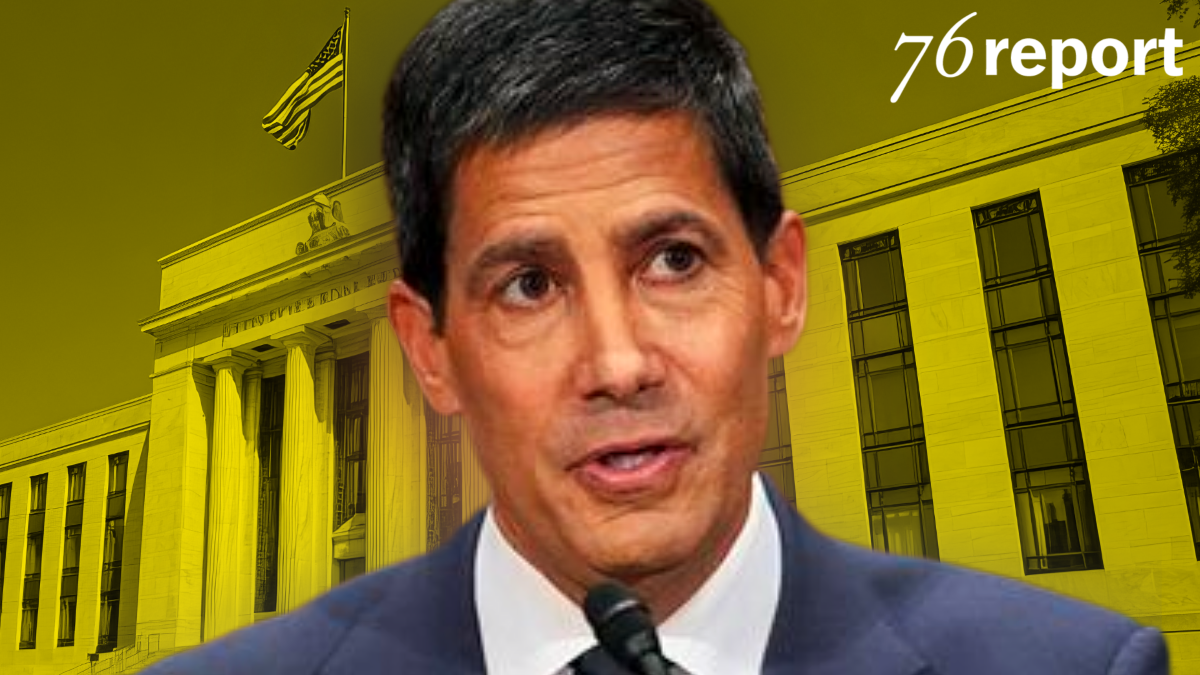
Against this backdrop, we see the eventual confirmation of Kevin Warsh as a positive catalyst, as the market recognizes the new Fed Chair’s growth orientation and credibility on inflation.
The sharp disagreements between Trump and current Fed Chair Jerome Powell were at moments destabilizing. Market sentiment therefore also stands to benefit from a much less contentious and likely more constructive relationship between the White House and the Fed.
Rising productivity
Trump has made it abundantly clear on many occasions that he believes that interest rates are currently too high. It stands to reason that he would not nominate a new Chair who held views that directly contradicted his own.
In Warsh, he found a future leader of the Fed who clearly understands the importance of central bank independence and credibility—yet also shares Trump’s growth-oriented economic vision.
At the heart of this vision is the idea that technological progress raises the ceiling for American economic expansion. In the hearing, Warsh described AI as a force that is ushering in “the most disruptive moment in modern economic history in the U. S. and the world.”
To continue reading Regime Change at the Fed, subscribe now to the 76report.
Begin for as low as $1 per month with promo code DOLLAR.
Click HERE!