The repeated disruptions to critical technology infrastructure have understandably fueled speculation about coordinated cyberattacks, potentially involving Iran or even rogue AI agents.
The explanations offered so far appear plausible—but we also cannot rule out a more serious threat.
In the case of Friday's aviation shutdown, federal authorities have pointed to instability in an antiquated telecommunications network. They have explicitly stated that they have found no indication of a cyberattack.
Other recent disruptions have similarly been attributed to technical failures. Explanations like AI-related software upgrades in advance of the busy holiday season have been offered. Many people are skeptical.
In the current environment, the distinction between what we know and what we fear is especially important.
Multiple systems failing within a short period is certainly unsettling. But that does not necessarily mean these events are connected—or that we are witnessing the beginning of a much larger crisis.
On the other hand, it also does not mean these events are not connected.
Our own sources within the intelligence community suggest Iran is potentially demonstrating their cyberwarfare capabilities. One possible motive is to discourage Trump from engaging in any kind of post-midterms military escalation.
We therefore must acknowledge the possibility that the situation could deteriorate.
The Covid parallel
A sustained attack on critical infrastructure could have serious economic consequences, potentially comparable in some respects to the disruptions experienced during the 2020 pandemic.
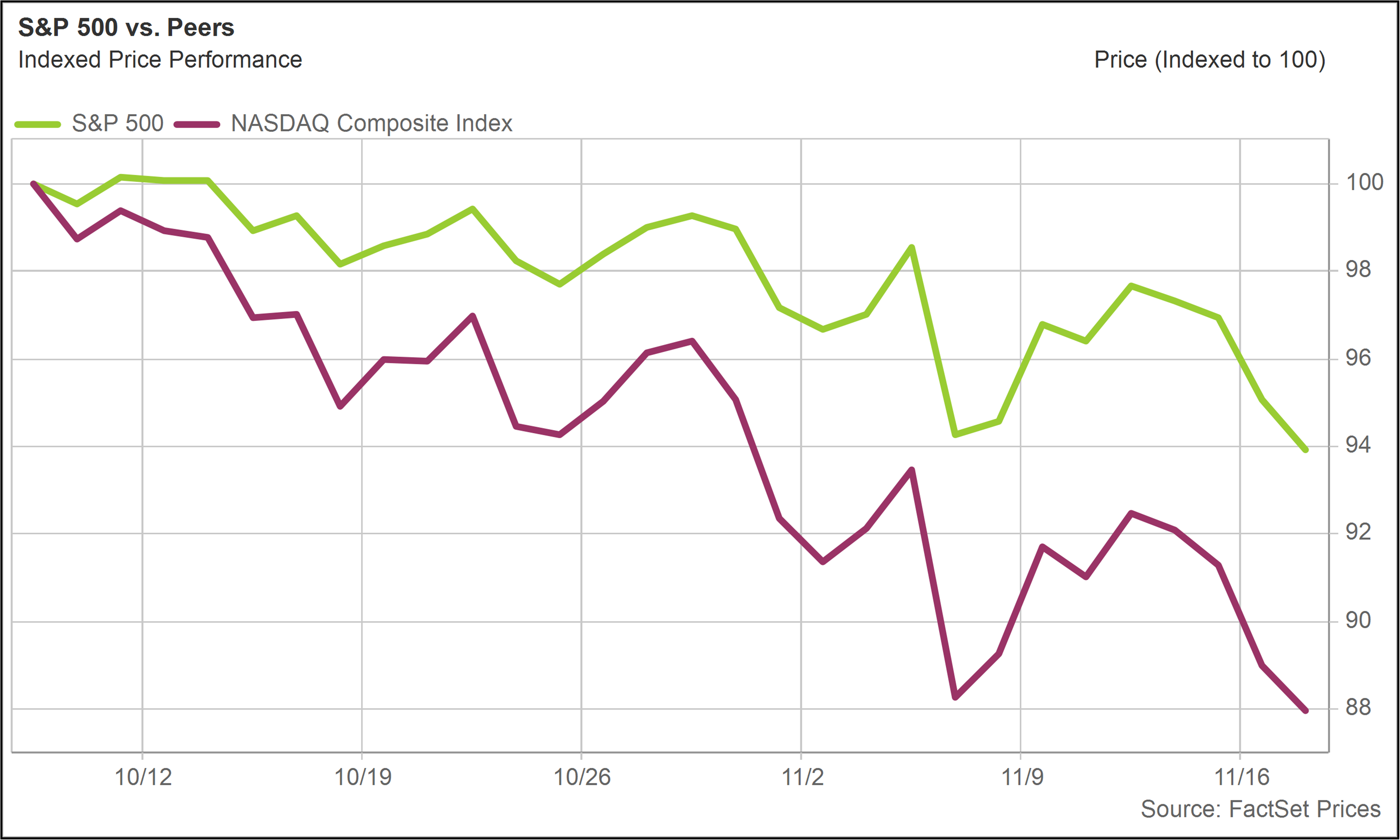
The threat of such a scenario is real, but there is little evidence at this point that we are heading in that direction. Meanwhile, the market has already absorbed considerable damage, particularly among technology stocks.
It is worth remembering that even the extraordinary economic dislocation of March 2020 was followed by a surprisingly rapid recovery in financial markets. The NASDAQ surpassed its previous highs by June, while the S&P 500 fully recovered by August.
That recovery was partly driven by an extraordinary shift in monetary policy.
Today, with the federal funds rate at 3.75% to 4.0%, the Federal Reserve retains significant capacity to ease monetary conditions if the economic outlook deteriorates sharply.
Stubborn inflation—a function of strong AI-related investment and energy costs—has kept the Fed biased toward higher rates, but a breakdown in critical infrastructure could change the macro outlook considerably.
Internal Fed discussions would likely shift rather quickly from a focus on higher prices to protecting jobs, extending liquidity and boosting confidence.
The long view
It is also important to distinguish the current political and corporate turmoil surrounding AI from the underlying technological and economic opportunity.
The departure of NVDA's iconic founder-CEO and the growing political backlash against AI infrastructure are serious developments.
With respect to NVDA in particular, we addressed the subject last week (NVIDIA: Too Strong to Fail, Too Cheap to Overlook) and explained the factors supporting our long-term optimism toward the stock.
These factors include NVDA’s deep technological moats, near-term demand that significantly exceeds production capacity, and vast financial resources to support share buybacks.
NVDA's earnings call this evening is a major imminent development. We look forward to a more comprehensive discussion of the AI sector and the broader market outlook as we learn more from the most important company in the AI trade.
For now, we continue to believe the appropriate response is vigilance, diversification and long-term discipline.
Investors should always be financially and psychologically prepared for adverse scenarios. But abandoning long-term positions at the height of fear can turn temporary losses into permanent damage.
We are monitoring all of these developments closely. In this period of elevated risk sensitivity, we will continue to keep subscribers apprised as new information arrives.