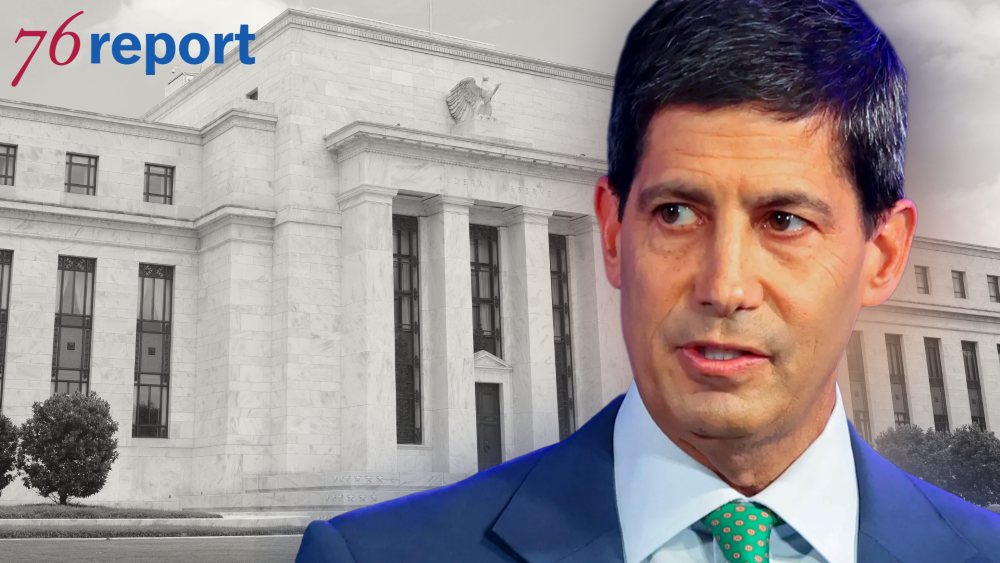
Why Warsh hiked
Before taking the top job at the Fed, Warsh publicly discussed how monetary policy could be easier, often emphasizing the disinflationary potential of AI-driven productivity gains.
He has drawn parallels to the 1990s, when Alan Greenspan resisted premature tightening and correctly anticipated the productivity benefits of the Internet, including subdued inflation.
Warsh’s strong embrace of the AI-productivity narrative—and the latitude it provides to support easier monetary policy—may have even been the decisive factor that got him hired.
On the surface, then, what Warsh did yesterday seems contradictory.
But from a longer term perspective, it potentially sets the stage for easier policy down the road.
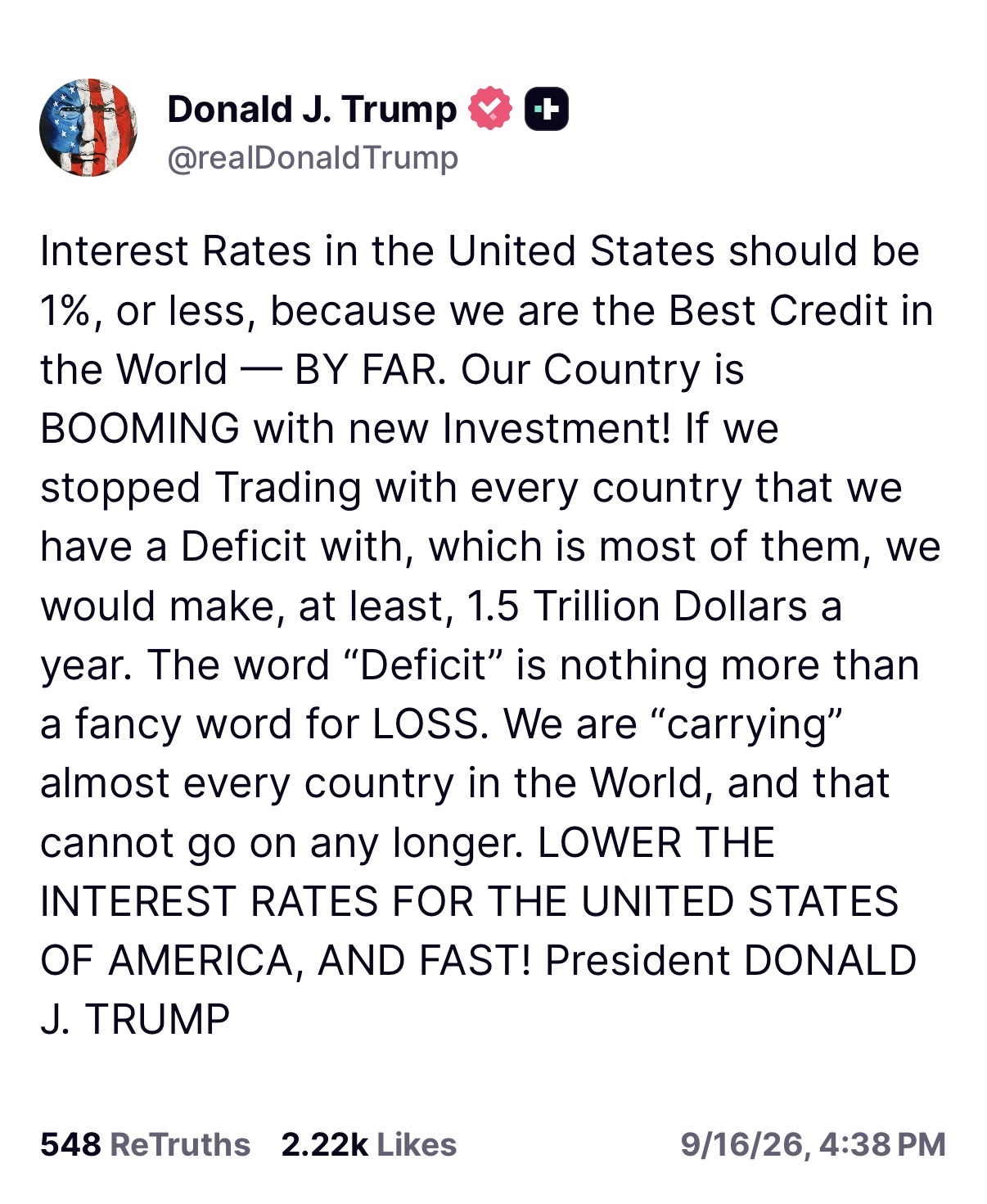
Trump’s restrained response to the rate hike may even signal tacit support for Warsh’s decision, or at least recognition of the difficulty of his predicament.
A position of strength
If Warsh’s long-term objective is to create an environment in which the Fed can sustainably lower interest rates, establishing his inflation-fighting credibility at the beginning of his tenure may be one of the most useful things he can do.
Warsh's central argument was relatively straightforward. The economy, including employment, is quite strong, while inflation has not improved enough.
Warsh noted during his press conference that three important things have changed since the July meeting.
First, the evidence that the economy is strengthening has become more convincing.
Second, the summer inflation numbers failed to meet the standard he laid out at Jackson Hole.
Third, geopolitical risks to inflation have increased.
A relatively strong labor market, meanwhile, gives the Fed room to focus on inflation.
Unemployment is approximately 4.1%. Initial unemployment claims are consistent with what Warsh considers full employment. Job openings and weekly hours have been increasing.
With labor markets “in good shape," the sole problem is inflation.
Warsh estimates that headline Personal Consumption Expenditures (PCE) inflation was running around 3.6% in August, versus the 2% target. Core PCE inflation, stripping out food and energy, was approximately 3.2%.
He also noted that too many individual categories continue to post price increases above 3% over both six- and twelve-month periods.