The new geopolitical reality
The potential for additional trade friction has led to some market volatility, but over the long-term, U.S. actions to address strategic risks in the Western Hemisphere should be seen as positive.
The capture of Nicolas Maduro in Venezuela and the push to buy Greenland may appear unrelated but reflect a single governing idea. The United States is pursuing geographic advantage at a moment when great power competition is rising.
The U.S. may still be the most powerful country in the world, but, under Trump, it is no longer taking its dominant position for granted. The United States is now acting more assertively to secure its real interests in a world that has become considerably more fragile and contested.
An ascendent China, increasingly aligned with Russia, has methodically reshaped global power dynamics in ways that can no longer be ignored. Alliances and institutions that were built for a different era and different threats are now showing their age.
From the standpoint of long-term U.S. national security interests, western Europe is not what it once was. Demographics and political attitudes have shifted.
Perhaps Denmark is a reliable ally today, but democracies are fluid. Relationships between nations change over time.
Geography, on the other hand, is permanent.
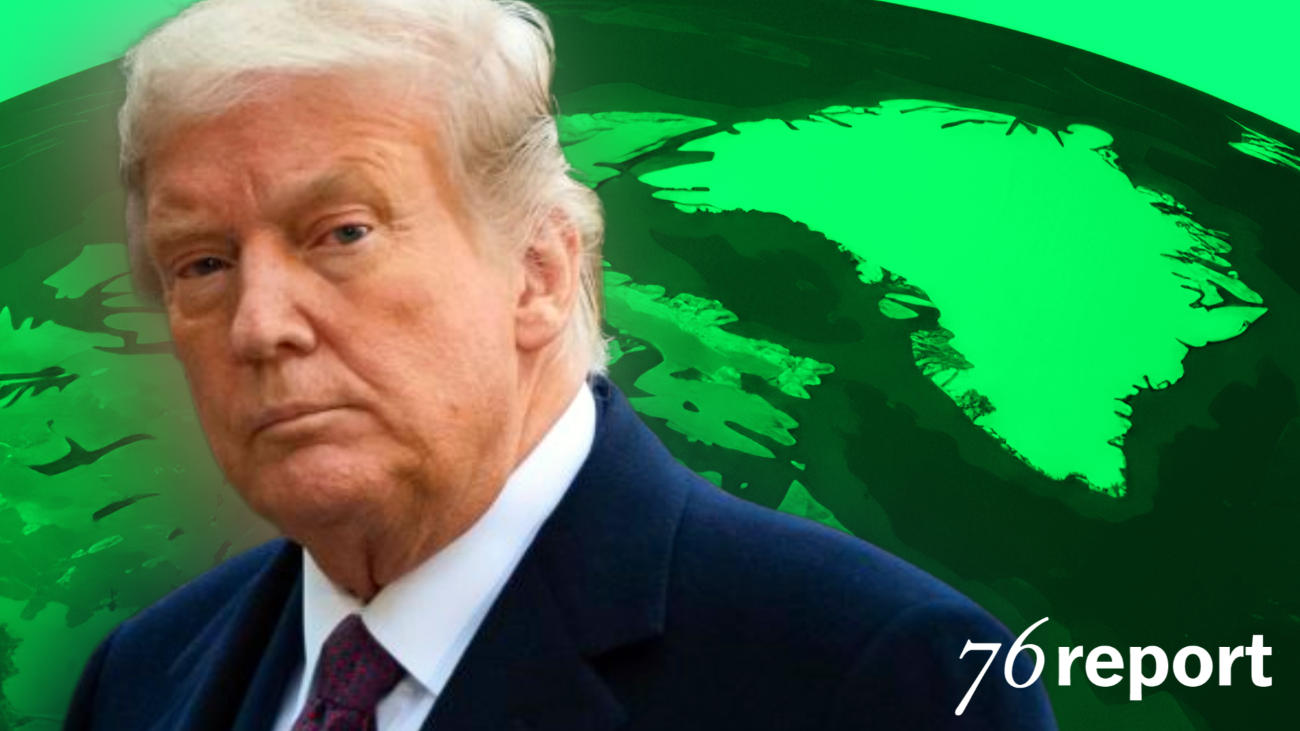
Why Trump wants Greenland
We discussed the strategic significance of Maduro’s removal from power a few weeks ago (Why Markets Celebrated the Fall of Maduro).
The fate of Venezuela matters for many reasons: its close proximity to the United States, its abundance of natural resources (from the world’s largest proven oil reserves to rare earths), its relevance to the immigration problem, and its vulnerability to the meddling of foreign powers.
Greenland presents a different but in many ways similar set of strategic considerations….
To continue reading Locking Down the Hemisphere, subscribe now to the 76report.
Use promo code DOLLAR and start for as low as $1 per month.
Click HERE!