Premium
Quicktake
*|MC:SUBJECT|*
͏ ‌     ͏ ‌     ͏ ‌     ͏ ‌     ͏ ‌     ͏ ‌     ͏ ‌     ͏ ‌     ͏ ‌     ͏ ‌     ͏ ‌     ͏ ‌     ͏ ‌     ͏ ‌     ͏ ‌     ͏ ‌     ͏ ‌     ͏ ‌     ͏ ‌     ͏ ‌     ͏ ‌     ͏ ‌     ͏ ‌     ͏ ‌     ͏ ‌     ͏ ‌     ͏ ‌     ͏ ‌     ͏ ‌     ͏ ‌     ͏ ‌     ͏ ‌     ͏ ‌     ͏ ‌     ͏ ‌     ͏ ‌     ͏ ‌     ͏ ‌     ͏ ‌     ͏ ‌     ͏ ‌     ͏ ‌     ͏ ‌     ͏ ‌     ͏ ‌     ͏ ‌     ͏ ‌     ͏ ‌     ͏ ‌     ͏ ‌     ͏ ‌     ͏ ‌     ͏ ‌     ͏ ‌     ͏ ‌     ͏ ‌     ͏ ‌     ͏ ‌     ͏ ‌     ͏ ‌     ͏ ‌     ͏ ‌     ͏ ‌     ͏ ‌     ͏ ‌     ͏ ‌     ͏ ‌     ͏ ‌     ͏ ‌     ͏ ‌     ͏ ‌     ͏ ‌     ͏ ‌     ͏ ‌     ͏ ‌     ͏ ‌     ͏ ‌     ͏ ‌     ͏ ‌     ͏ ‌     ͏ ‌     ͏ ‌     ͏ ‌     ͏ ‌     ͏ ‌     ͏ ‌     ͏ ‌     ͏ ‌     ͏ ‌     ͏ ‌     ͏ ‌     ͏ ‌     ͏ ‌     ͏ ‌     ͏ ‌     ͏ ‌     ͏ ‌     ͏ ‌     ͏ ‌     ͏ ‌     ͏ ‌     ͏ ‌     ͏ ‌     ͏ ‌     ͏ ‌     ͏ ‌     ͏ ‌     ͏ ‌     ͏ ‌     ͏ ‌     ͏ ‌     ͏ ‌     ͏ ‌     ͏ ‌     ͏ ‌     ͏ ‌     ͏ ‌     ͏ ‌     ͏ ‌     ͏ ‌     ͏ ‌     ͏ ‌     ͏ ‌     ͏ ‌     ͏ ‌     ͏ ‌     ͏ ‌     ͏ ‌     ͏ ‌     ͏ ‌     ͏ ‌     ͏ ‌     ͏ ‌     ͏ ‌     ͏ ‌     ͏ ‌     ͏ ‌     ͏ ‌     ͏ ‌     ͏ ‌     ͏ ‌     ͏ ‌     ͏ ‌     ͏ ‌     ͏ ‌     ͏ ‌     ͏ ‌     ͏ ‌     ͏ ‌     ͏ ‌     ͏ ‌     ͏ ‌     ͏ ‌     ͏ ‌     ͏ ‌     ͏ ‌     ͏ ‌     ͏ ‌     ͏ ‌     ͏ ‌     ͏ ‌     ͏ ‌     ͏ ‌     ͏ ‌     ͏ ‌     ͏ ‌     ͏ ‌     ͏ ‌     ͏ ‌     ͏ ‌     ͏ ‌     ͏ ‌     ͏ ‌     ͏ ‌     ͏ ‌     ͏ ‌     ͏ ‌     ͏ ‌     ͏ ‌     ͏ ‌     ͏ ‌     ͏ ‌     ͏ ‌     ͏ ‌     ͏ ‌     ͏ ‌     ͏ ‌     ͏ ‌     ͏ ‌     ͏ ‌     ͏ ‌     ͏ ‌     ͏ ‌     ͏ ‌     ͏ ‌     ͏ ‌     ͏ ‌     ͏ ‌     ͏ ‌     ͏ ‌     ͏ ‌     ͏ ‌     ͏ ‌     ͏ ‌     ͏ ‌     ͏ ‌     ͏ ‌     ͏ ‌     ͏ ‌     ͏ ‌     ͏ ‌     ͏ ‌     ͏ ‌     ͏ ‌     ͏ ‌     ͏ ‌     ͏ ‌     ͏ ‌     ͏ ‌     ͏ ‌     ͏ ‌     ͏ ‌     ͏ ‌     ͏ ‌     ͏ ‌     ͏ ‌     ͏ ‌     ͏ ‌     ͏ ‌     ͏ ‌     ͏ ‌     ͏ ‌     ͏ ‌     ͏ ‌     ͏ ‌     ͏ ‌     ͏ ‌     ͏ ‌     ͏ ‌     ͏ ‌     ͏ ‌     ͏ ‌     ͏ ‌     ͏ ‌     ͏ ‌     ͏ ‌     ͏ ‌     ͏ ‌     ͏ ‌     ͏ ‌     ͏ ‌     ͏ ‌     ͏ ‌     ͏ ‌     ͏ ‌     ͏ ‌     ͏ ‌     ͏ ‌     ͏ ‌     ͏ ‌     ͏ ‌     ͏ ‌     ͏ ‌     ͏ ‌     ͏ ‌     ͏ ‌     ͏ ‌     ͏ ‌     ͏ ‌     ͏ ‌     ͏ ‌     ͏ ‌     ͏ ‌     ͏ ‌     ͏ ‌     ͏ ‌     ͏ ‌     ͏ ‌     ͏ ‌     ͏ ‌     ͏ ‌     ͏ ‌     ͏ ‌     ͏ ‌     ͏ ‌     ͏ ‌     ͏ ‌     ͏ ‌     ͏ ‌     ͏ ‌     ͏ ‌     ͏ ‌     ͏ ‌     ͏ ‌     ͏ ‌     ͏ ‌     ͏ ‌     ͏ ‌     ͏ ‌     ͏ ‌     ͏ ‌     ͏ ‌     ͏ ‌     ͏ ‌     ͏ ‌     ͏ ‌     ͏ ‌     ͏ ‌     ͏ ‌     ͏ ‌     ͏ ‌     ͏ ‌     ͏ ‌     ͏ ‌     ͏ ‌     ͏ ‌     ͏ ‌     ͏ ‌     ͏ ‌     ͏ ‌    ­ ­ ­ ­ ­ ­ ­ ­ ­ ­ ­ ­ ­ ­ ­ ­ ­ ­ ­ ­ ­ ­ ­ ­ ­ ­ ­ ­ ­ ­ ­ ­ ­ ­ ­ ­ ­ ­ ­ ­ ­ ­ ­ ­ ­ ­ ­ ­ ­ ­ ­ ­ ­ ­ ­ ­ ­ ­ ­ ­ ­ ­ ­ ­ ­ ­ ­ ­ ­ ­ ­ ­ ­ ­ ­ ­ ­ ­ ­ ­ ­ ­ ­ ­ ­ ­ ­ ­ ­ ­ ­ ­ ­ ­ ­ ­ ­ ­ ­ ­ ­ ­ ­ ­ ­ ­ ­ ­ ­ ­ ­ ­ ­ ­ ­ ­ ­ ­ ­ ­ ­ ­ ­ ­ ­ ­ ­ ­ ­ ­ ­ ­ ­ ­ ­ ­ ­ ­ ­ ­ ­ ­ ­ ­ ­ ­ ­ ­ ­ ­ ­ ­ ­ ­ ­ ­ ­ ­ ­ ­ ­ ­ ­ ­ ­ ­ ­ ­ ­ ­ ­ ­ ­ ­ ­ ­ ­ ­ ­ ­ ­ ­ ­ ­ ­ ­ ­ ­ ­ ­ ­ ­ ­ ­ ­ ­ ­ ­ ­ ­ ­ ­ ­ ­ ­ ­ ­ ­ ­ ­ ­ ­ ­ ­ ­ ­ ­ ­ ­ ­ ­ ­ ­ ­ ­ ­ ­ ­ ­ ­ ­ ­ ­ ­ ­ ­ ­ ­ ­ ­ ­ ­ ­ ­ ­ ­ ­ ­ ­ ­ ­ ­ ­ ­ ­ ­ ­ ­ ­ ­ ­ ­ ­ ­ ­ ­ ­ ­ ­ ­ ­ ­ ­ ­ ­ ­ ­ ­ ­ ­ ­ ­

QUICKTAKE

December 16, 2025

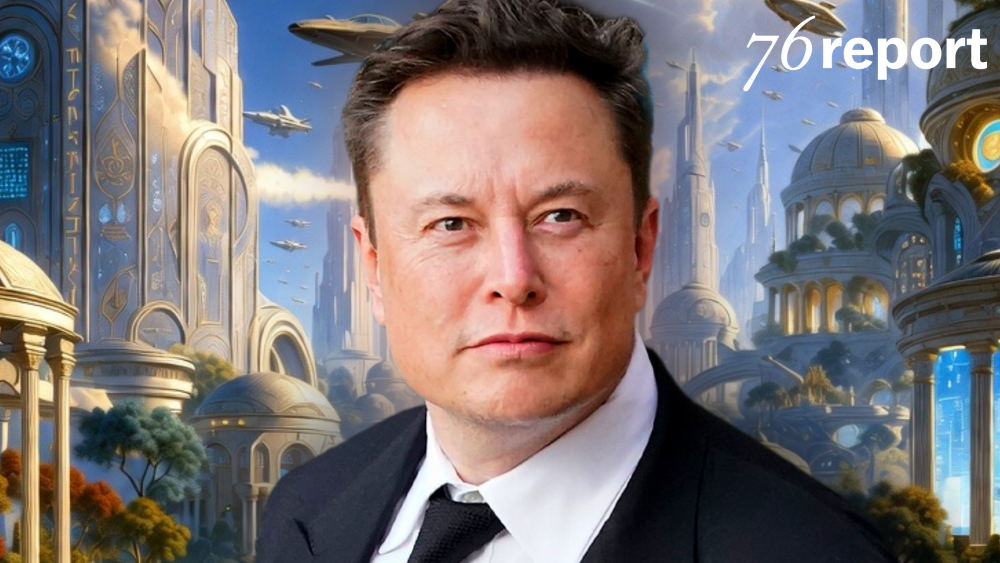
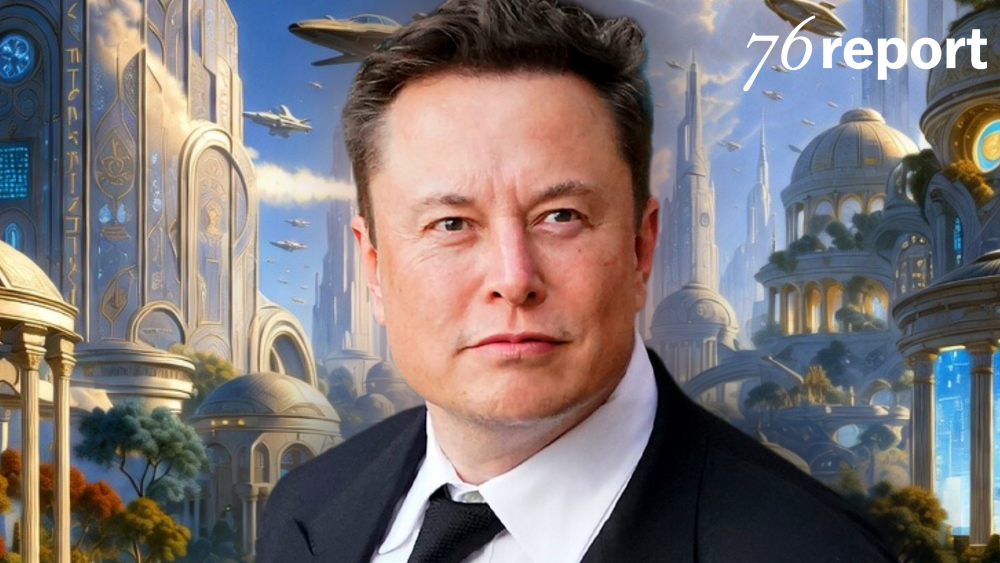
Elon Musk’s Vision of Hyperabundance: Are We Ready?


Everyone has an opinion about the future. Very few actually help create it. The predictions of those who do deserve extra attention.


Elon Musk is now the world’s wealthiest man. Whatever you think of him, he has demonstrated a capacity to not only peer into the future but also define it.


One does not accumulate a $500 billion net worth, essentially from scratch, without having a knack for anticipating what comes next. So when he repeatedly and confidently expresses a viewpoint about what the world is eventually going to look like, it should be taken seriously.


Lately, Elon has been pounding the table on one prediction in particular that sounds completely crazy but, if true, would change the world as we have known it throughout history.


Elon has shared his belief that human beings will, in just a matter of decades, no longer need to work.


In other words, we are on the cusp of hyperabundance. The economy will be so productive—thanks to AI-driven technological advancements—that most goods and services, especially the most essential ones, will be widely available for all to consume, at presumably little or no cost.

Long term—I don't know what long term is maybe it's 10 to 20 years, something like that—my prediction is that work will be optional. Optional…. I mean it will be like playing sports or a video game or something like that. If you want to work, you know in the same way like you can go to the store and just buy some vegetables or you could grow vegetables in your backyard. It's much harder to grow vegetables in your backyard but some people still do it because they like growing vegetables. - Elon Musk (11/19/2025)

Click HERE to start your subscription to the 76report—including access to The MAG7 MONITOR—for as low as $1 per month with promo code DOLLAR!

Thinking from first principles


Elon’s predictions are worth considering carefully not just because of the outcomes he has achieved, but because of how he thinks.


Elon often describes his approach to problem-solving as being grounded in first principles reasoning. As he has explained it, first principles are “a kind of physics way of looking at the world—you boil things down to the most fundamental truths, and then reason up from there.”


Instead of asking what has worked before or what others believe, this way of thinking takes a more direct approach by focusing on a single question: what must be true?


Elon is not alone in this approach. Jensen Huang, the founder and CEO of NVIDIA (NVDA), frequently emphasizes the same mindset. So do many of the most consequential entrepreneurs of the modern economy.


At its core, this is the discipline of independent thought. You are not outsourcing judgment to consensus, tradition, or authority. You are starting with facts, constraints, and logic—and building your conclusions from the ground up.


Some of the greatest first principles thinkers in history were America’s founding generation. The name 76research was not chosen purely out of patriotism. It pays tribute to a mindset rooted in the Enlightenment, and ultimately in the Ancient Greeks, whose works Jefferson and Madison studied carefully.


The U.S. Constitution itself is a product of first principles reasoning. We are not granted inalienable rights to life, liberty, and property because a king or a priest declared them so. We hold them because we perceive them to be self-evident truths—just as we recognize that three times three is nine, or that fire is hot.


America is arguably the first large-scale political experiment in first principles thinking. And, like Tesla, it has been remarkably successful. This way of looking at the world appears to work.


The case for hyperabundance


So why has Musk come to the conclusion that, within a few decades, human beings may no longer need to work? We can examine this claim ourselves—using the same first principles framework he likely followed.


Start with a simple observation: economic output (the delivery of goods and services) is the result of intelligence getting applied to matter and energy.


For example, a baker comes up with an idea for a delicious cake (intelligence). He gathers the ingredients and necessary equipment and utensils (matter). He mixes them together with his own hands and maybe some electrical appliances, then puts the cake into the oven (energy).


The cake is a valuable economic good that is the result of thinking about how to combine matter and energy in such a way that it addresses a particular human need.


For most of human history, intelligence has been a limiting factor in the equation. Each unit of thought, skill, and decision-making had to come from a human mind. That imposed a hard ceiling on economic production.


AI attacks that constraint directly.


Once an AI model is trained, its output can be replicated endlessly. It does not tire. It does not forget. It does not demand higher wages or shorter hours. The cost of producing one more answer, one more plan, or one more design trends rapidly toward zero.


Exponential improvement


What also differentiates AI from past technological advances—some of which, like communications technology, also amplify human intelligence—is the potential pace at which it can improve. Rather than advancing in small, linear steps, AI systems exhibit exponential improvement.


This phenomenon is captured in what researchers refer to as scaling laws. As models are scaled—using more data, more parameters, and more computing power—their performance improves in a non-linear fashion. Doubling inputs can lead to even greater gains in capability.


What makes AI uniquely powerful is that it can also help accelerate its own progress….


To continue reading Elon Musk’s Vision of Hyperabundance: Are We Ready?, upgrade to a paid subscription to the 76report.


Use promo code DOLLAR and pay only $1 per month for the first two months.


Click HERE to begin!

Click HERE to learn more about our Model Portfolio subscription plans.