While this strategy is somewhat rational (and maybe even the regime’s best bet at the moment), Iran’s ability to restrict the flow of oil through the threat of force is rapidly diminishing.
Since the campaign began just over a week ago, large portions of Iran’s conventional military capacity have been degraded. The Iranian Air Force and Navy have reportedly suffered catastrophic losses, major missile systems have been destroyed, drone manufacturing facilities have been targeted, and many senior regime figures have been eliminated.
What remains of the Iranian regime has attempted to mount a response, but so far that response has been limited in scale and effectiveness.
Tehran has launched waves of ballistic missiles and drones at Israel, energy infrastructure around the Persian Gulf, and U.S. bases in the region. These strikes have caused localized damage and casualties—killing several U.S. personnel and dozens of civilians regionally—but the vast majority of projectiles have been intercepted by missile defense systems.
Iran retains the ability to create headlines and localized problems, but its capacity to inflict meaningful damage appears significantly diminished. As U.S. attacks on Iranian targets continue, that capacity only further erodes.
Getting the oil out
As we discussed shortly after the operation began in Resetting the Balance of Power in the Middle East, the primary economic and market impact of the confrontation does come not from military destruction itself but from the disruption of oil flows out of the Persian Gulf.
Oil production in the region has continued, but production alone is not the critical issue. If oil tankers cannot safely exit the Persian Gulf and reach global customers (particularly in Asia) then that supply is effectively removed from the market.
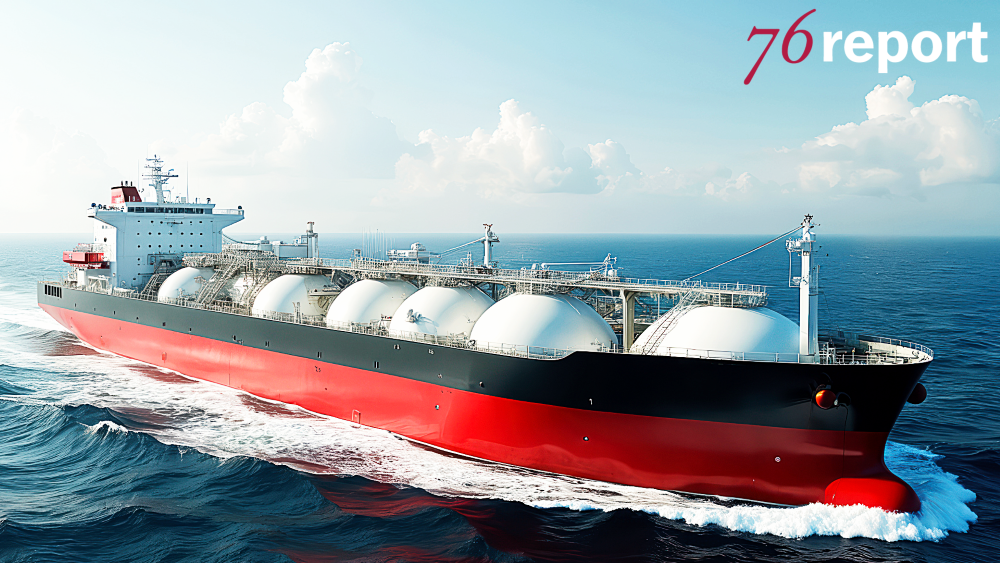
The Strait of Hormuz remains the most important energy chokepoint in the world. Roughly 20% of global oil supply normally flows through the narrow shipping lane, making it one of the most strategically sensitive waterways on the planet.
With remnants of the Iranian military threatening shipping lanes using mines, fast attack boats, and anti-ship missiles positioned along the coastline, insurers and shipping companies temporarily curtailed tanker traffic through the Strait. Even the perception of risk was enough to interrupt flows and drive oil markets higher.
Stagflation risk
As spot oil prices began to climb sharply late last week and into the early part of this week, we saw pressure on global equity markets for a number of reasons….
To continue reading Stocks Stabilize as Oil Shock Risk Fades, subscribe now to the 76report.
Use promo code DOLLAR and start for as little as $1 per month.
Click HERE to begin!